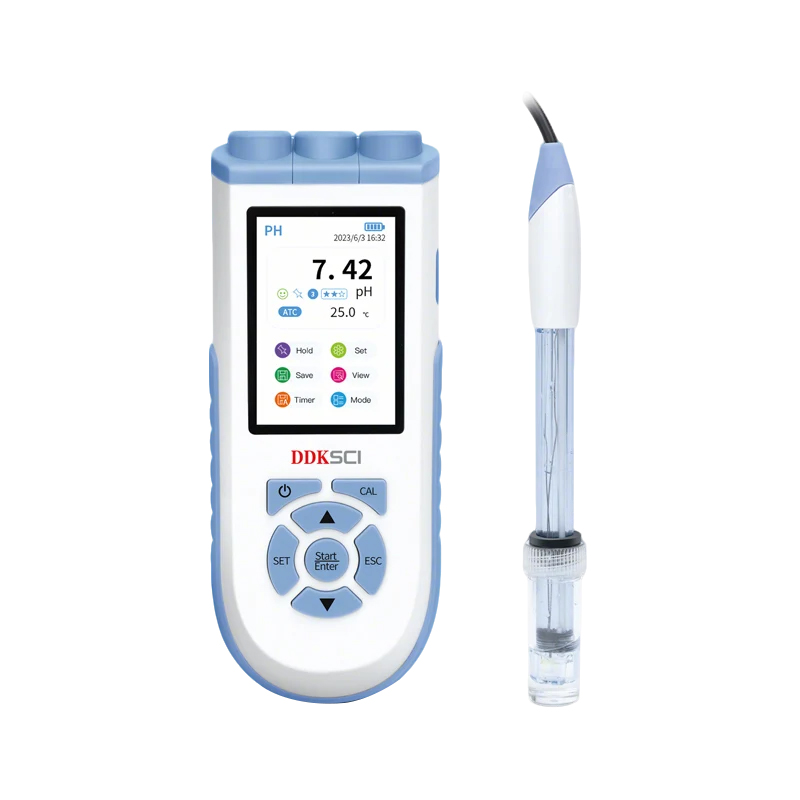
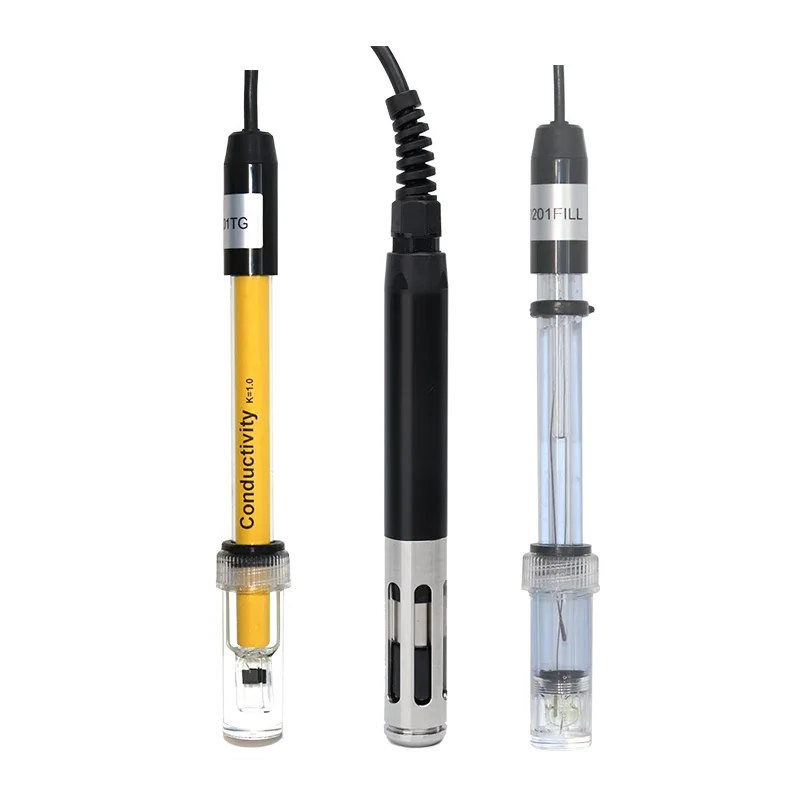
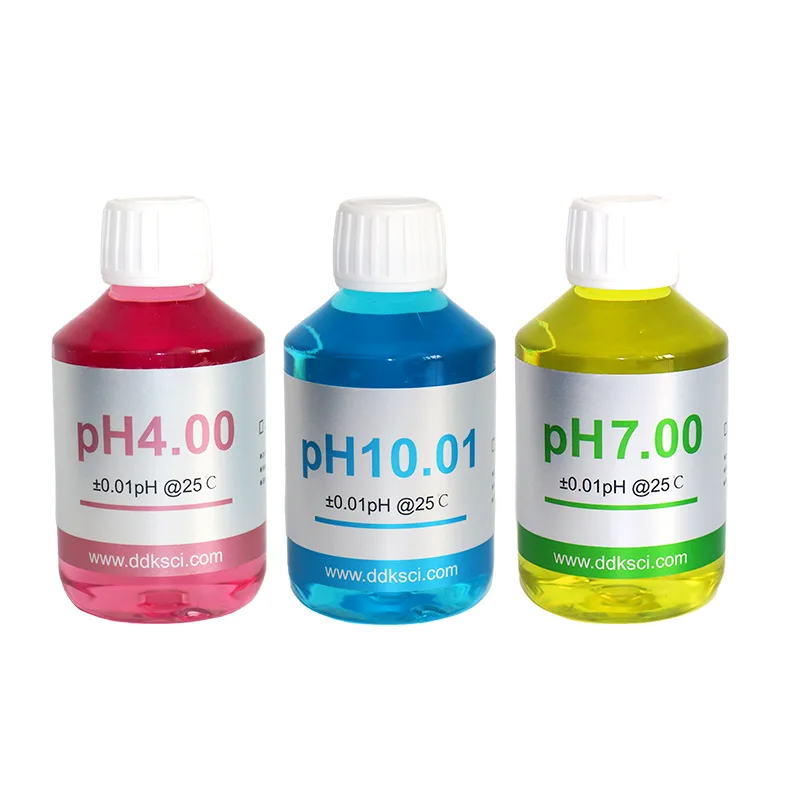
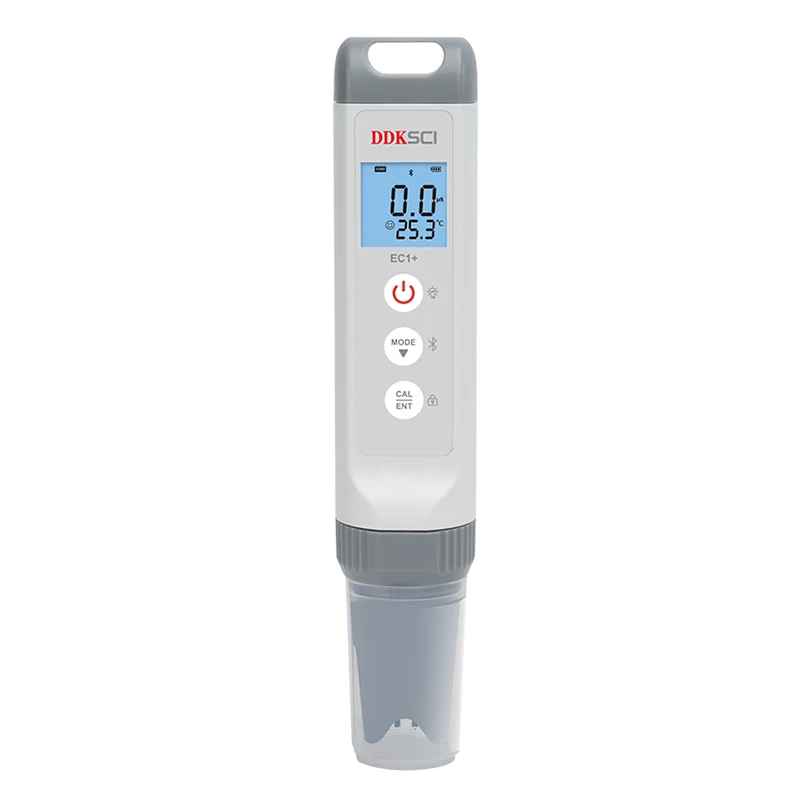
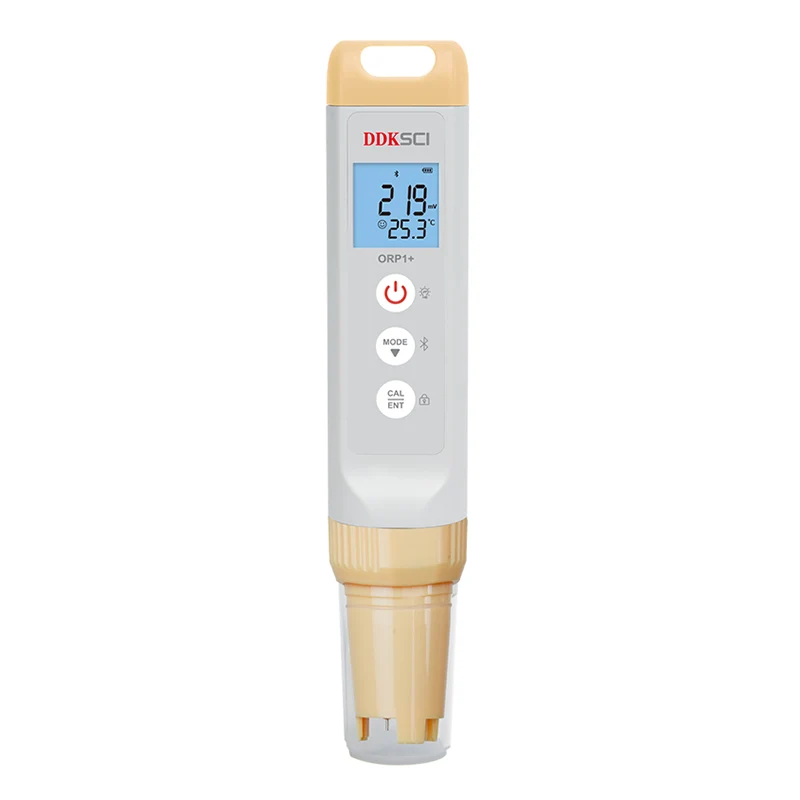
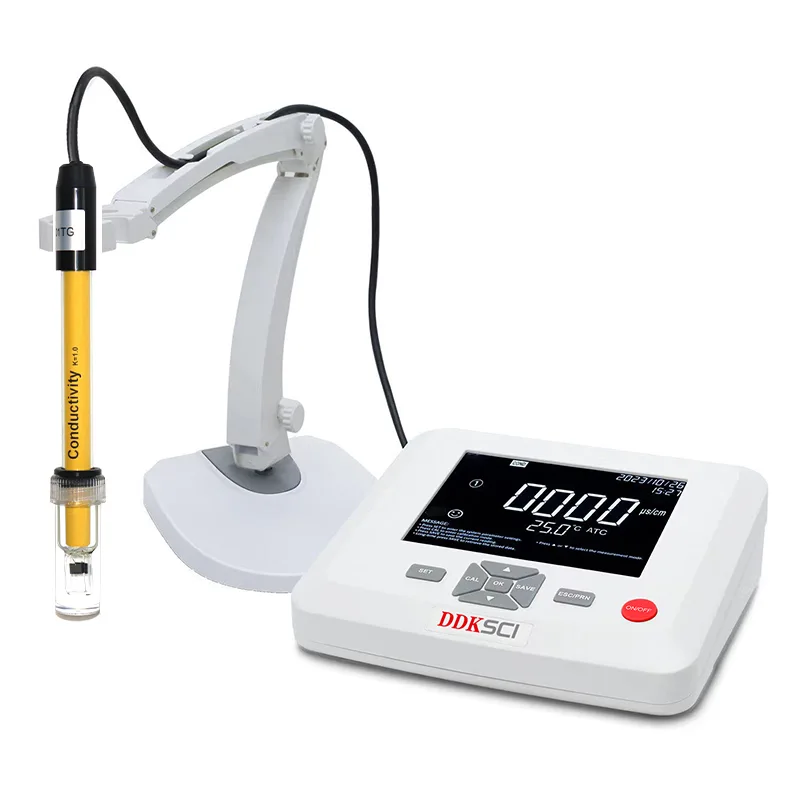
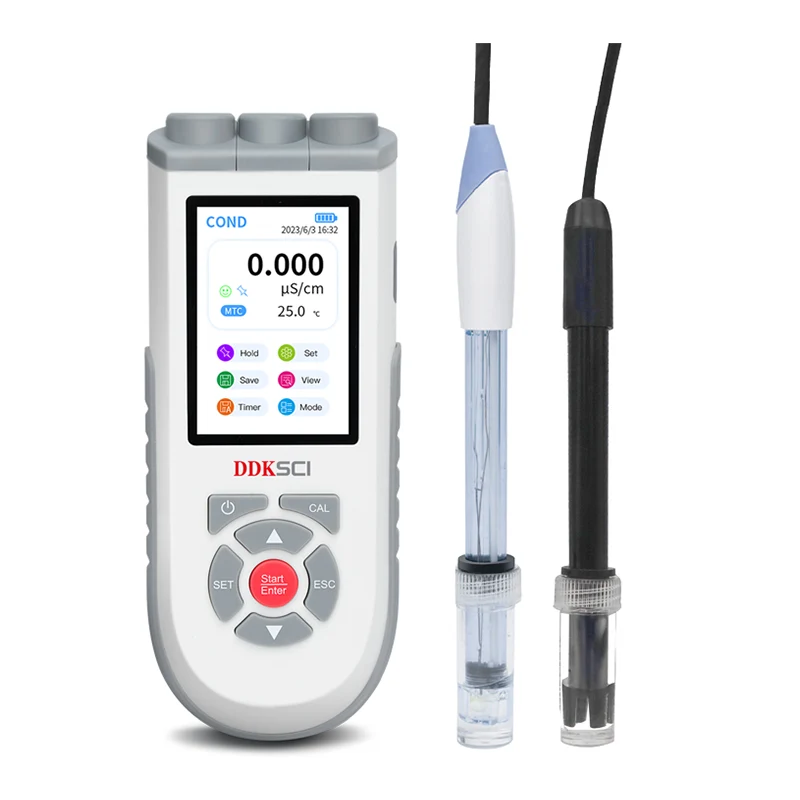
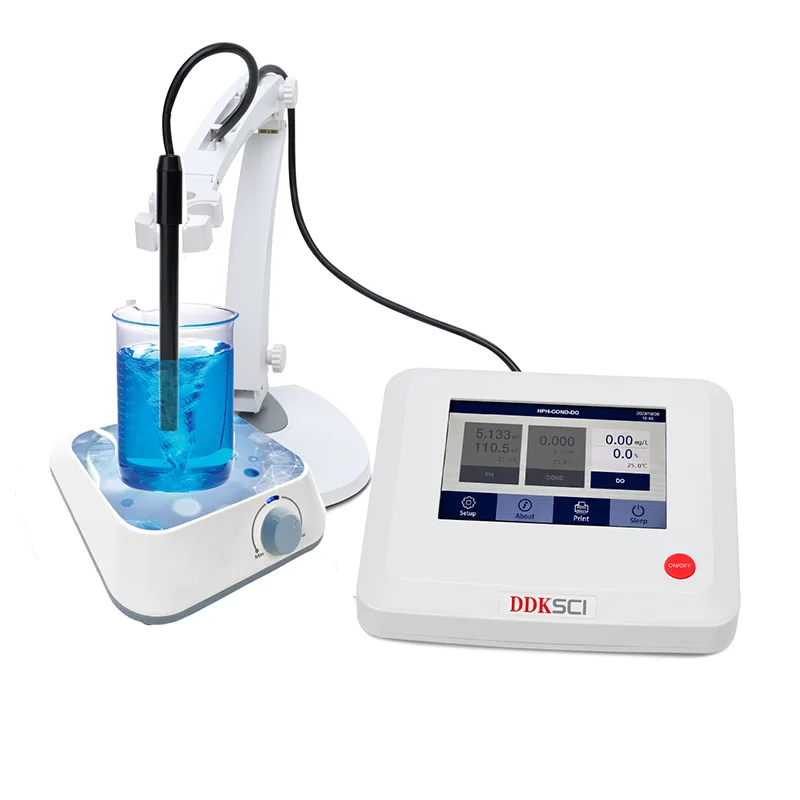
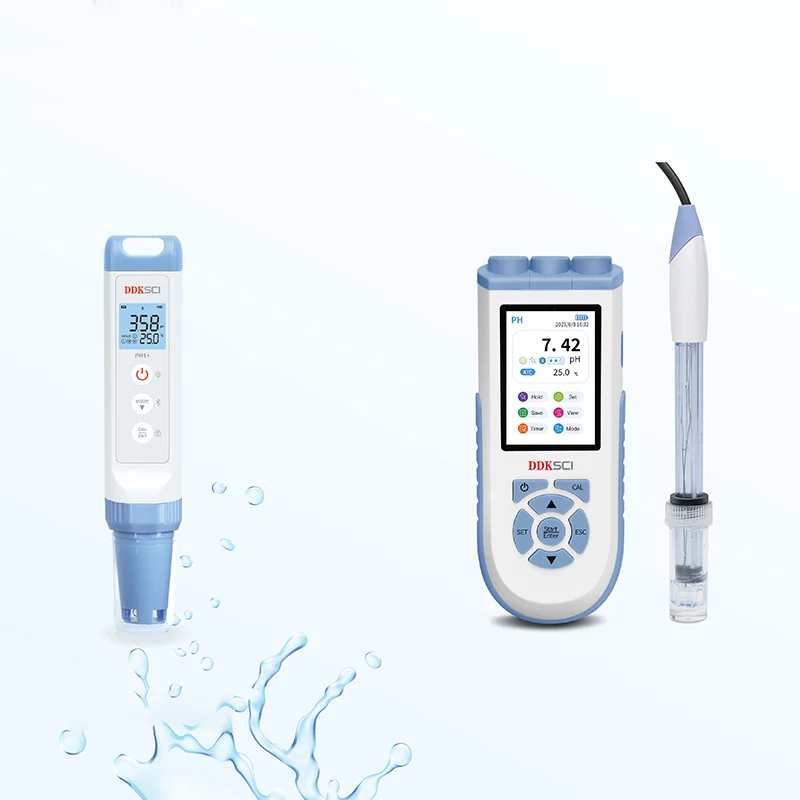
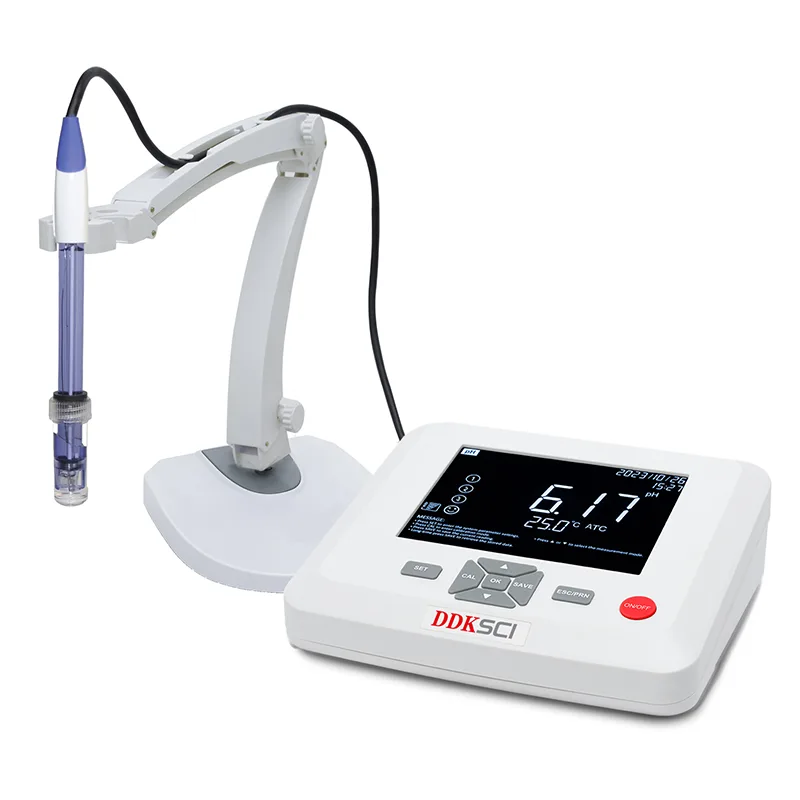
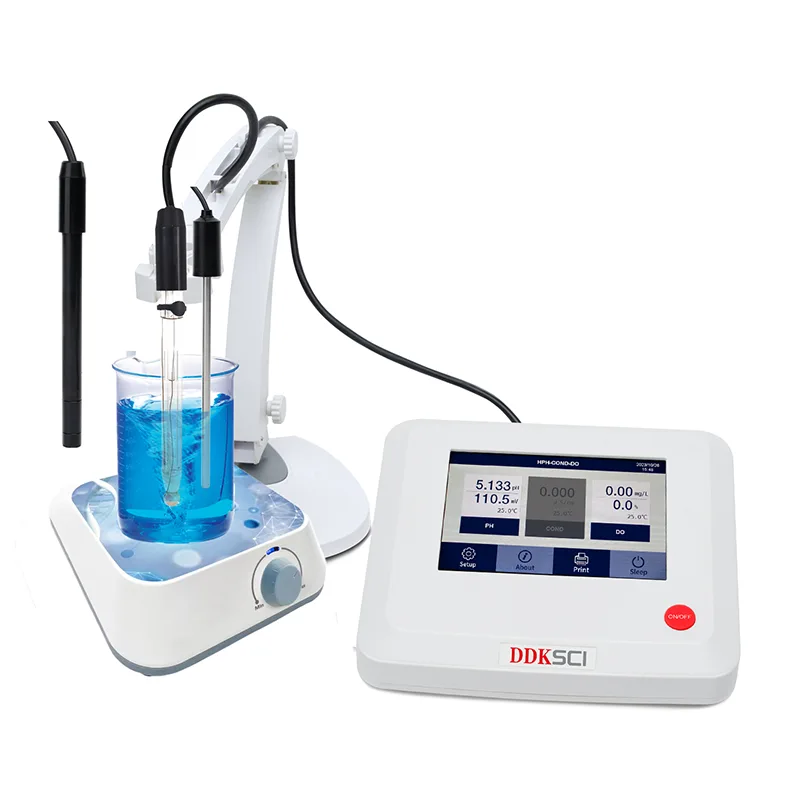
A pen-type ORP meter (Oxidation-Reduction Potential meter) is a portable device used for rapidly measuring the oxidation-reduction potential (oxidation-reduction Potential, abbreviated as ORP) of solutions. The ORP value is an indicator to measure the strength of a solution's oxidizing or reducing properties and is commonly used in fields such as water quality testing, environmental monitoring, food processing, and swimming pool management.
The basic concept of ORP
ORP value: It indicates the relative strength of the oxidant and the reductant in the solution, with the unit of millivolts (mV).
Positive value: The solution has oxidizing properties (such as chlorine-containing disinfectants).
Negative value: The solution has reducing properties (such as a solution containing antioxidants).
Application scenarios
Water quality testing: Assessing the oxidation-reduction state of water bodies.
Swimming pool management: Monitor the activity of disinfectants such as chlorine.
Food processing: Testing the antioxidant capacity of food.
Environmental monitoring: Assessing the degree of pollution in soil or water bodies.
Features of pen-type ORP meters
Portability: Small in size and light in weight, it is easy to carry and measure on-site.
Quick measurement: Just immerse the probe in the solution, and the ORP value can be quickly read.
Easy to operate: Usually equipped with one-click calibration and automatic temperature compensation functions.
Versatility: Some models can also measure parameters such as pH value and temperature.
The structure of pen-type ORP meters
ORP electrode: The core component, used for detecting the ORP value of the solution.
We use cookies to offer you a better browsing experience, analyze site traffic and personalize content. By using this site, you agree to our use of cookies. Privacy Policy