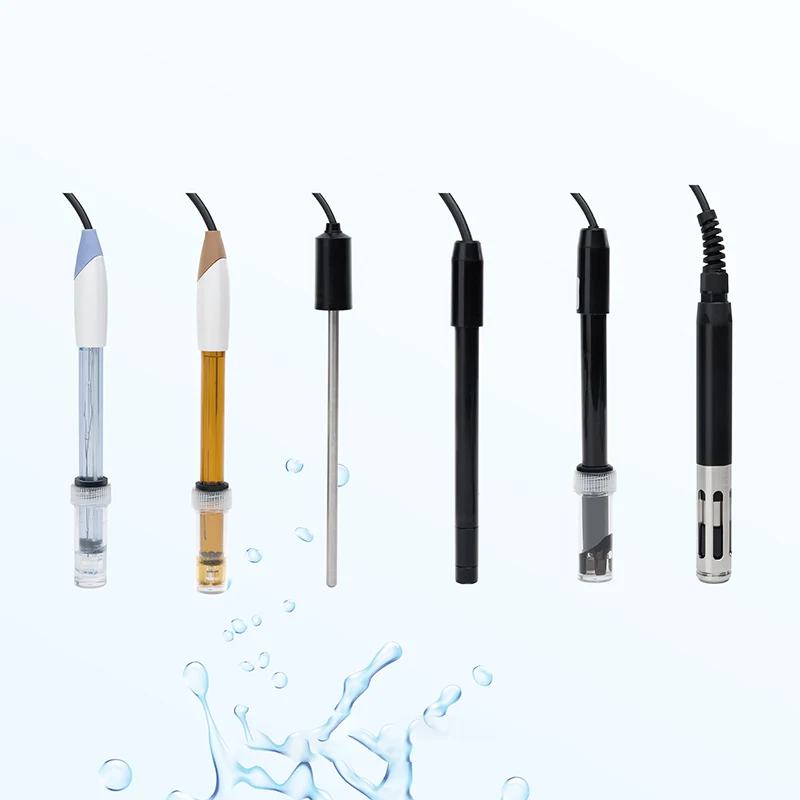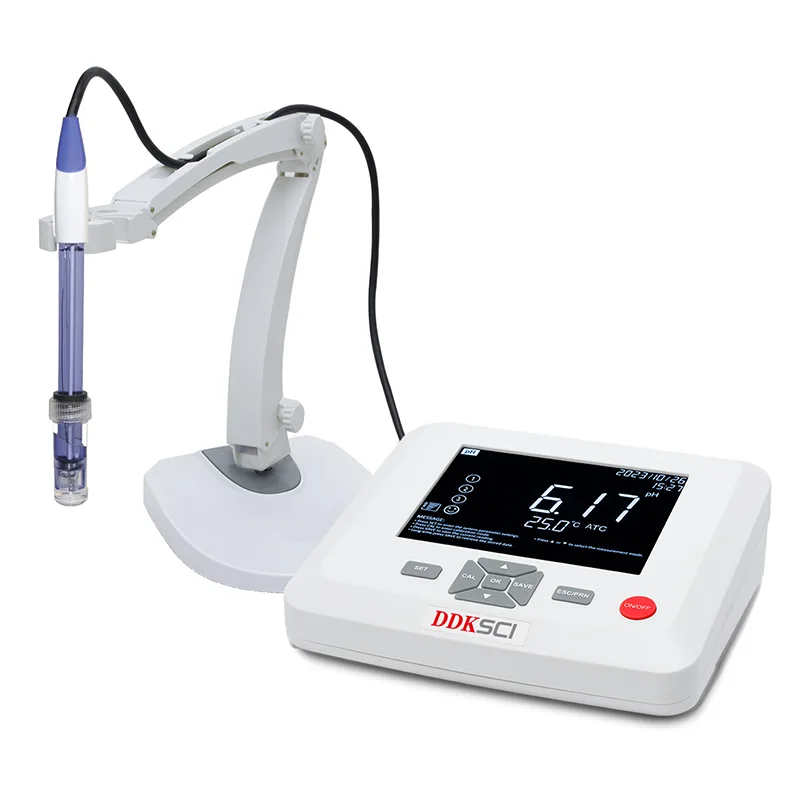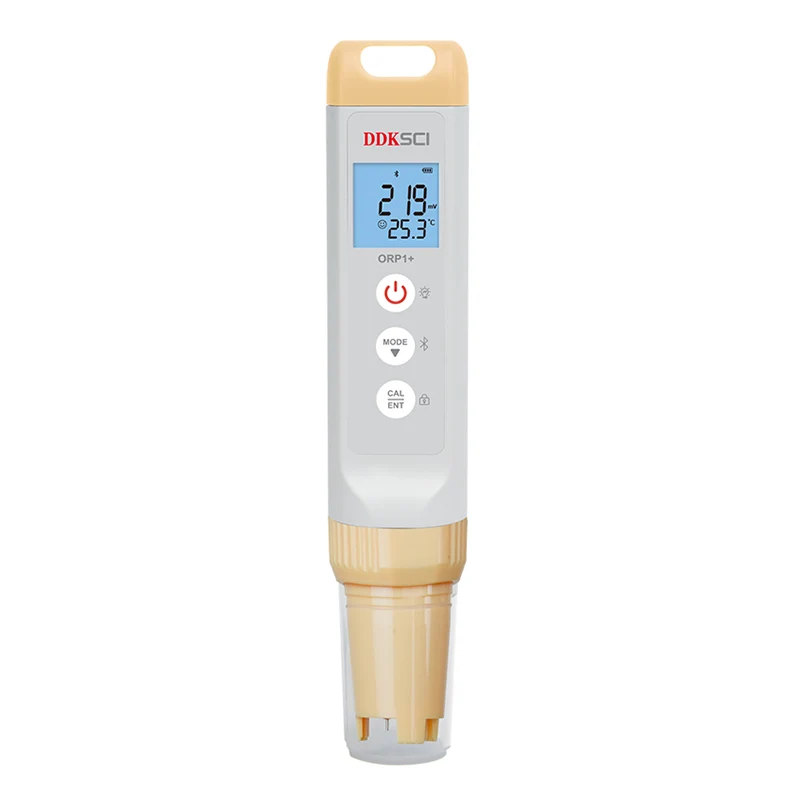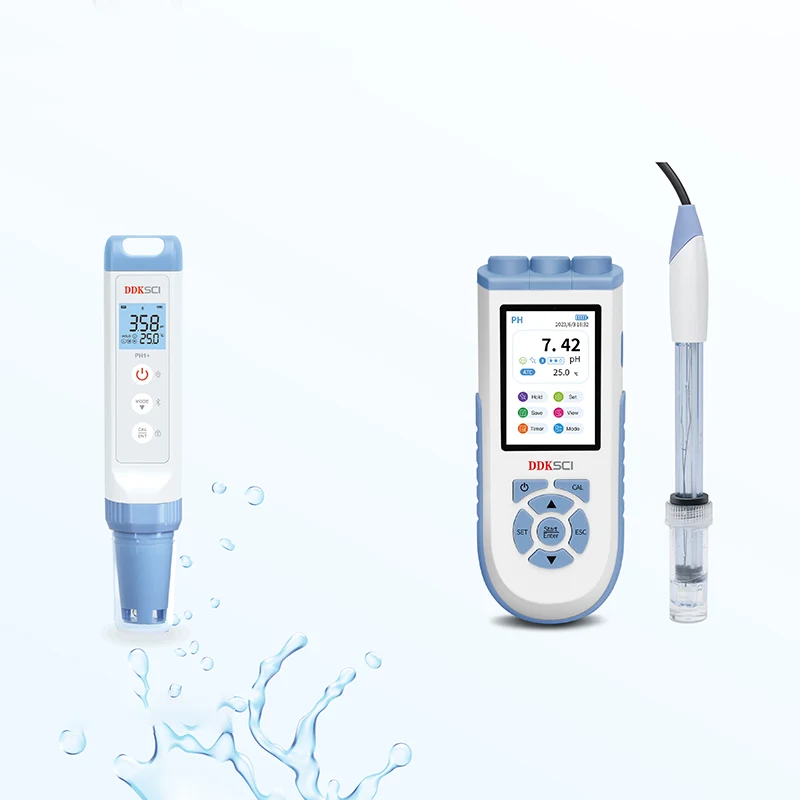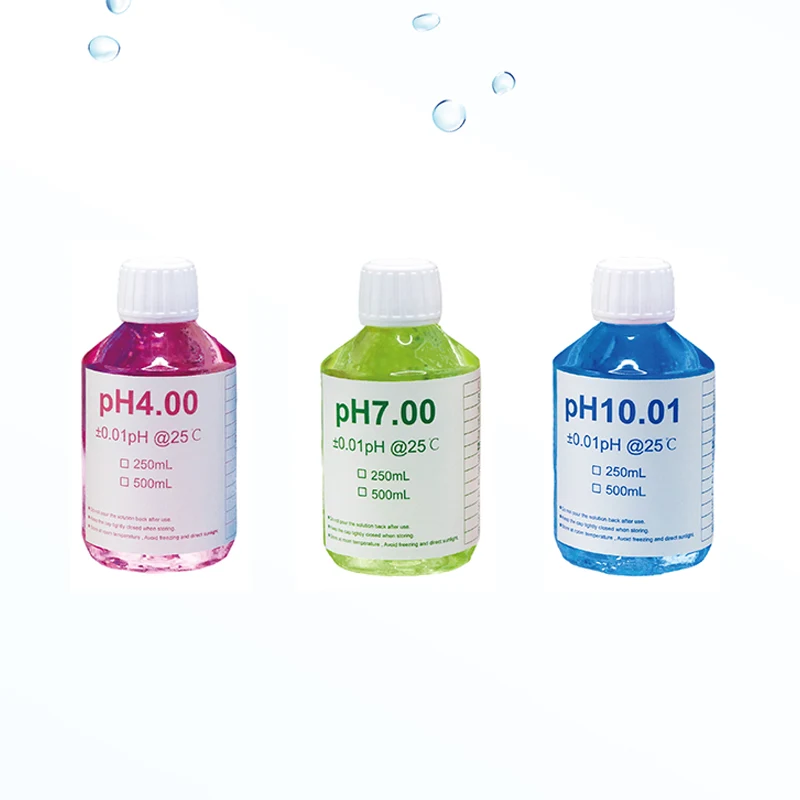
In a wastewater treatment plant, a technician pulls a Pocket Meter from his pocket and lowers the probe into a tank of effluent. The water is murky, chemically aggressive, and fluctuating in temperature. The meter must deliver an accurate reading within seconds, despite the challenging conditions. In a food processing facility, a quality inspector uses a Pocket Meter to check the pH of a sauce batch. The meter must be resistant to splashes, easy to clean, and capable of withstanding the rigors of a busy production floor. In a field research station, a scientist uses a Pocket Meter to measure the conductivity of a remote stream. The meter must be portable, durable, and reliable in extreme temperatures. These scenarios illustrate a common theme: the working conditions for Pocket Meters are often far from ideal. They are used in environments that are wet, dirty, hot, cold, or chemically aggressive. The meters that survive and perform in these conditions are not simply smaller versions of benchtop instruments; they are engineered specifically for the challenges of complex working conditions.
The question of what makes a Pocket Meter suitable for complex working conditions is a question of engineering. The answer lies in a combination of environmental sealing, robust construction, reliable sensor technology, and user-friendly design. A Pocket Meter must be able to withstand water immersion, dust, and chemical exposure. It must be drop-resistant and durable enough to survive the bumps and knocks of daily use. It must deliver accurate and repeatable measurements, even when the sample conditions are variable. And it must be easy to use, so that the technician can focus on the measurement, not on the instrument. This article will examine each of these engineering dimensions in detail, providing a comprehensive technical analysis of what makes a Pocket Meter suitable for complex working conditions. We will also provide detailed specifications for our Pocket Meters from our factory at Shanghai DDK Scientific Instruments Co., Ltd.
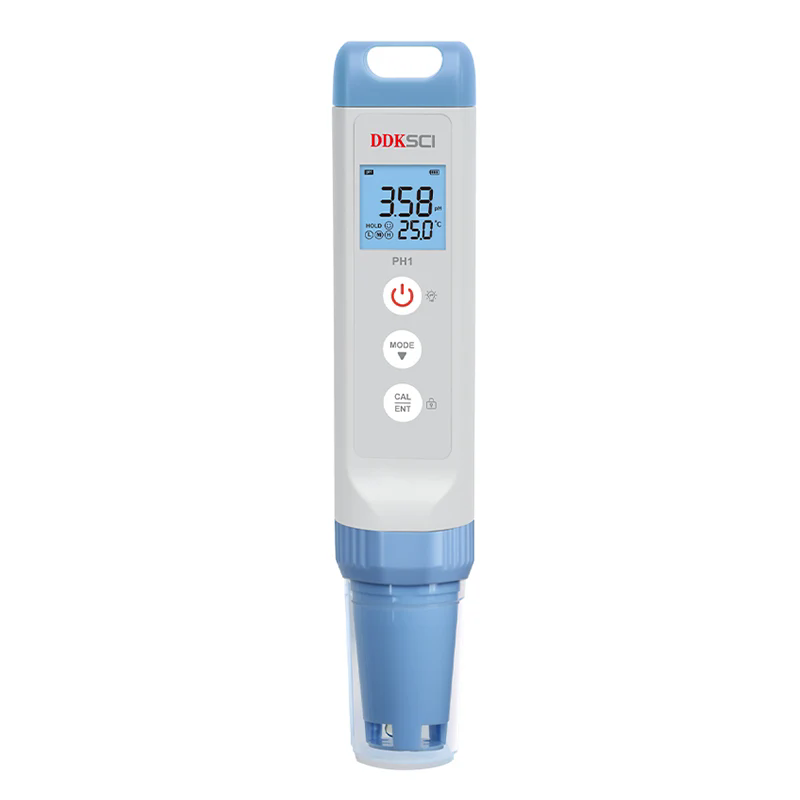
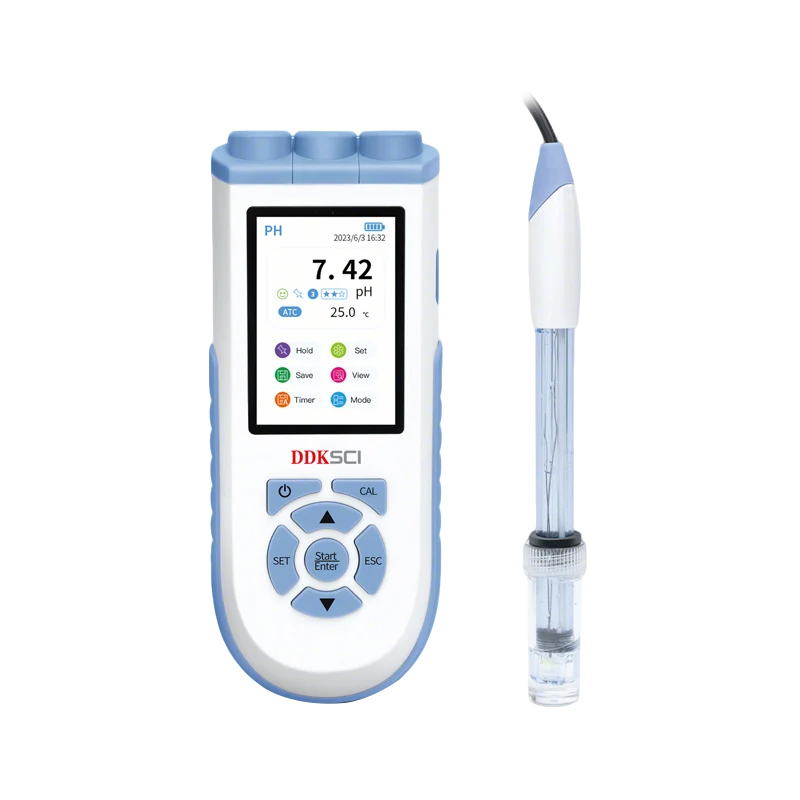
A Pocket Meter is a compact, portable measuring instrument designed for on-the-spot testing of various parameters, including pH, conductivity, total dissolved solids (TDS), salinity, and temperature. Unlike benchtop meters, which are designed for laboratory use, Pocket Meters are engineered for field use. They are small enough to fit in a shirt pocket, hence the name, and they are powered by batteries for complete portability. The primary advantage of a Pocket Meter is its ability to deliver laboratory-grade measurements in the field, without the need for sample collection, transport, and laboratory analysis. This makes it an indispensable tool for professionals in a wide range of industries.
The applications for Pocket Meters are diverse and demanding. In water treatment, they are used to monitor pH, chlorine, and conductivity at various stages of the process. In aquaculture, they are used to check the water quality in fish ponds and tanks. In agriculture, they are used to measure the pH and nutrient levels of soil and irrigation water. In food and beverage production, they are used to verify the quality of ingredients and finished products. In environmental monitoring, they are used to assess the health of rivers, lakes, and streams. In each of these applications, the Pocket Meter must perform reliably in conditions that are often challenging. The table below summarizes the key applications and the typical measurement parameters for each.
| Application | Typical Parameters | Working Conditions |
| Water Treatment | pH, chlorine, conductivity, TDS | Wet, chemically treated water, variable temperature |
| Aquaculture | pH, dissolved oxygen, salinity, temperature | Wet, outdoor, variable weather |
| Agriculture | pH, conductivity, nutrient levels | Dusty, outdoor, variable temperature |
| Food & Beverage | pH, conductivity, temperature | Wet, sanitary, frequent cleaning |
| Environmental Monitoring | pH, conductivity, TDS, temperature | Outdoor, remote, variable weather |
At Shanghai DDK Scientific Instruments Co., Ltd., our factory manufactures Pocket Meters for all these applications. We understand that the working conditions are often far from ideal, and we design our meters to withstand the challenges. Our Pocket Meters are used by professionals around the world who rely on accurate measurements in demanding environments.
Environmental sealing is one of the most important factors determining a Pocket Meter's suitability for complex working conditions. Water, dust, and chemicals are the enemies of electronic instruments. A meter that is not properly sealed will fail when exposed to these elements. The standard for environmental sealing is the IP (Ingress Protection) rating, which is defined by the International Electrotechnical Commission (IEC). The IP rating consists of two digits: the first digit indicates the level of protection against solid particles (dust), and the second digit indicates the level of protection against liquids (water). For a Pocket Meter to be suitable for complex working conditions, it should have an IP rating of at least IP54, which means it is protected against dust and splashing water. For more demanding conditions, an IP67 rating is recommended, which means it is dust-tight and protected against immersion in water up to 1 meter for 30 minutes.
At our factory, we design our Pocket Meters with IP67-rated housings. This means they can be used in the rain, dropped into a puddle, or washed under a tap without damage. The sealing is achieved through a combination of gaskets, O-rings, and a robust housing design. The battery compartment is sealed separately to prevent water from entering the electronics. The sensor connector is also sealed to prevent water from entering the meter through the probe connection. The table below summarizes the IP ratings and their suitability for different working conditions.
| IP Rating | Solid Protection | Liquid Protection | Suitability for Complex Conditions |
| IP54 | Dust protected | Splash resistant | Moderate (indoor, light outdoor) |
| IP65 | Dust-tight | Water jet resistant | Good (outdoor, washdown) |
| IP67 | Dust-tight | Immersion resistant (1m, 30min) | Excellent (harsh outdoor, wet environments) |
| IP68 | Dust-tight | Immersion resistant (continuous) | Excellent (submersion, extreme conditions) |
At Shanghai DDK Scientific Instruments Co., Ltd., we believe that environmental sealing is not optional for a Pocket Meter. It is a fundamental requirement. Our Pocket Meters are tested to IP67 standards, and we offer IP68-rated models for applications that require continuous immersion. We also test our meters for chemical resistance to common cleaning agents and sample solutions. This ensures that our meters can be used in the most demanding working conditions without compromising performance.
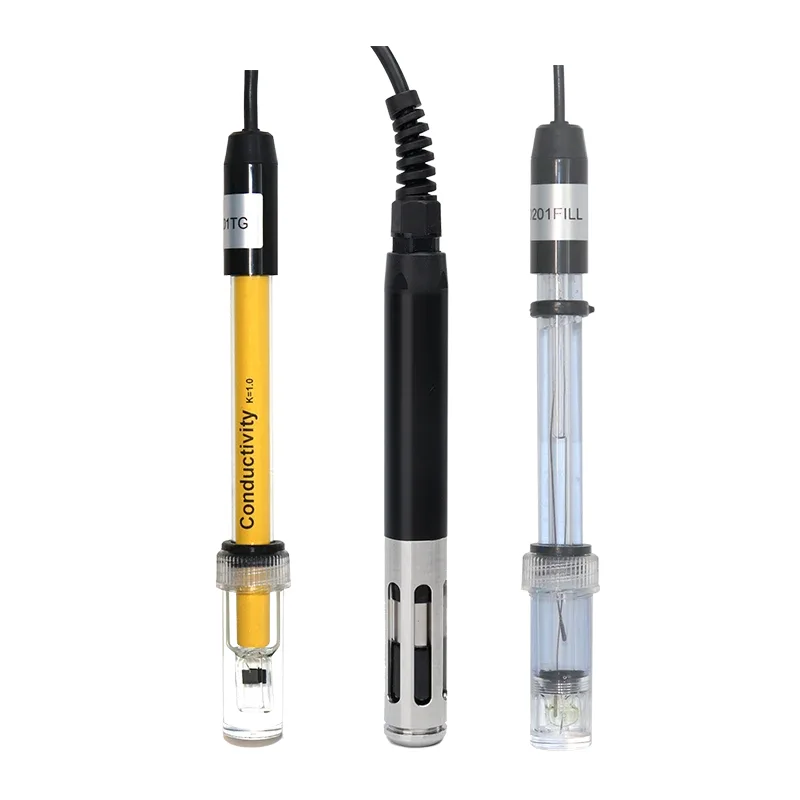
The sensor is the heart of any Pocket Meter. It is the component that interacts with the sample and generates the signal that is converted into a measurement. The quality of the sensor determines the accuracy, repeatability, and reliability of the meter. In complex working conditions, the sensor must be able to withstand the same environmental challenges as the meter itself. It must be resistant to contamination, corrosion, and physical damage. It must also be able to deliver accurate readings across a wide range of sample conditions. The sensor technology used in a Pocket Meter depends on the parameter being measured. For pH measurement, the sensor is typically a glass electrode. For conductivity and TDS, the sensor is typically a pair of electrodes. For temperature, the sensor is typically a thermistor or RTD.
At our factory, we use high-quality sensors in all our Pocket Meters. Our pH sensors are designed with a robust glass bulb and a double-junction reference electrode that resists contamination and extends sensor life. Our conductivity sensors are made from platinum or graphite, which are resistant to corrosion and provide stable readings. Our temperature sensors are precision-calibrated to ensure accurate compensation across the operating range. The table below summarizes the sensor types used in our Pocket Meters and their key characteristics.
| Parameter | Sensor Type | Key Characteristics | Typical Applications |
| pH | Glass electrode | High accuracy, wide range, fast response | Water treatment, food, agriculture |
| Conductivity / TDS | Platinum or graphite electrodes | Corrosion resistant, stable readings | Water quality, aquaculture, industrial |
| Temperature | Thermistor or RTD | Precision calibrated, fast response | All applications (for compensation) |
| Salinity | Conductivity cell | Derived from conductivity and temperature | Aquaculture, marine research |
At Shanghai DDK Scientific Instruments Co., Ltd., we understand that the sensor is the most critical component of a Pocket Meter. We source our sensors from reputable manufacturers and test every sensor before it is assembled into a meter. We also offer replaceable sensor modules for our Pocket Meters, so that the meter can be restored to full performance when the sensor reaches the end of its life. This extends the useful life of the meter and reduces the total cost of ownership for our customers.
Mechanical durability is another critical factor for Pocket Meters used in complex working conditions. These meters are often subjected to rough handling, accidental drops, and exposure to abrasive materials. A meter that is not mechanically durable will fail quickly, regardless of how well it is sealed or how good its sensor is. The mechanical durability of a Pocket Meter depends on the materials used in its construction and the design of its housing. The housing is typically made from ABS plastic, polycarbonate, or a combination of both. These materials are chosen for their impact resistance, chemical resistance, and durability. The housing should be designed to absorb the energy of a drop and protect the internal components.
At our factory, we design our Pocket Meters with rugged housings that are tested to withstand drops from a height of 1.5 meters onto a hard surface. We use a double-shot molding process that combines a rigid inner frame with a soft outer grip. This provides both structural strength and a comfortable, non-slip grip. The display is protected by a scratch-resistant lens, and the buttons are sealed and rated for a minimum of 100,000 presses. The table below summarizes the mechanical durability features of our Pocket Meters.
| Feature | Specification | Benefit |
| Housing Material | ABS + Polycarbonate | Impact resistance, chemical resistance |
| Drop Resistance | 1.5 meters onto concrete | Survives accidental drops |
| Display Lens | Scratch-resistant acrylic | Protects display from damage |
| Button Life | > 100,000 presses | Long-term reliability |
| Operating Temperature | -10°C to +60°C | Wide operating range |
| Storage Temperature | -20°C to +70°C | Safe storage in extreme conditions |
At Shanghai DDK Scientific Instruments Co., Ltd., we believe that mechanical durability is not a luxury for a Pocket Meter; it is a necessity. Our meters are designed to survive the rough and tumble of field use. We test our meters rigorously to ensure that they meet our high standards for durability. Our customers rely on our meters to perform in the most demanding conditions, and we take that responsibility seriously.
User-friendly design is often overlooked in technical discussions of Pocket Meters, but it is a critical factor in their suitability for complex working conditions. A meter that is difficult to use will not be used correctly, and a meter that is not used correctly will not deliver accurate results. In the field, the technician is often working under time pressure, in adverse weather, and with gloved hands. The meter must be easy to operate, easy to read, and easy to maintain. The display must be large and clear, with high contrast and backlighting for use in low-light conditions. The buttons must be large enough to be pressed with gloved hands. The calibration procedure must be simple and quick. The battery must last for a full day of use and be easy to replace.
At our factory, we design our Pocket Meters with the user in mind. We use a large, high-contrast LCD display with a backlight that can be turned on or off to save battery life. The buttons are large, tactile, and sealed against water and dust. The calibration procedure is automated and takes only a few seconds. The battery is a standard AAA or AA size that can be replaced in the field without tools. The meter also features an auto-power-off function to conserve battery life, and a hold function to freeze the reading on the display. The table below summarizes the user-friendly features of our Pocket Meters.
| Feature | Benefit |
| Large, backlit LCD display | Easy to read in all lighting conditions |
| Large, tactile buttons | Easy to operate with gloves |
| Automated calibration | Fast, simple, and accurate |
| Standard battery | Easy to replace in the field |
| Auto-power-off | Conserves battery life |
| Hold function | Freezes reading for easy recording |
At Shanghai DDK Scientific Instruments Co., Ltd., we believe that a Pocket Meter should be an extension of the user's hand. It should be intuitive, reliable, and a pleasure to use. Our meters are designed with this philosophy in mind, and our customers appreciate the difference. Whether they are working in a water treatment plant, a fish farm, or a remote field station, our Pocket Meters make their job easier and more accurate.
The following table provides the key technical specifications for our standard Pocket Meter models. These meters are designed for a wide range of applications and are available with different sensor configurations to suit specific measurement needs. Our factory can also produce custom meters to meet specific project requirements.
| Parameter | PH-100 | EC-200 | TDS-300 | PC-500 |
| Measurement | pH | Conductivity / TDS | TDS / Salinity | pH / Conductivity / TDS |
| Range | 0.00 - 14.00 pH | 0 - 2000 µS/cm | 0 - 2000 ppm | pH: 0-14; EC: 0-2000 µS/cm |
| Resolution | 0.01 pH | 1 µS/cm | 1 ppm | 0.01 pH / 1 µS/cm |
| Accuracy | +/- 0.01 pH | +/- 2% FS | +/- 2% FS | +/- 0.01 pH / +/- 2% FS |
| Temperature Compensation | Automatic (0-60°C) | Automatic (0-60°C) | Automatic (0-60°C) | Automatic (0-60°C) |
| IP Rating | IP67 | IP67 | IP67 | IP67 |
| Calibration | 2-point | 1-point | 1-point | Multi-point |
| Battery | 2 x AAA | 2 x AAA | 2 x AAA | 2 x AAA |
| Battery Life | 100 hours | 150 hours | 150 hours | 80 hours |
| Dimensions (mm) | 150 x 30 x 20 | 150 x 30 x 20 | 150 x 30 x 20 | 160 x 35 x 25 |
| Weight (g) | 80 | 80 | 80 | 100 |
At Shanghai DDK Scientific Instruments Co., Ltd., our factory has the expertise and the equipment to manufacture Pocket Meters that meet the most demanding requirements. We use high-quality materials, precision manufacturing processes, and rigorous testing to ensure that every meter we produce delivers reliable performance and long service life. Our engineering team is available to assist with product selection and to provide detailed technical support.
Question 1: What is the difference between a Pocket Meter and a benchtop meter?
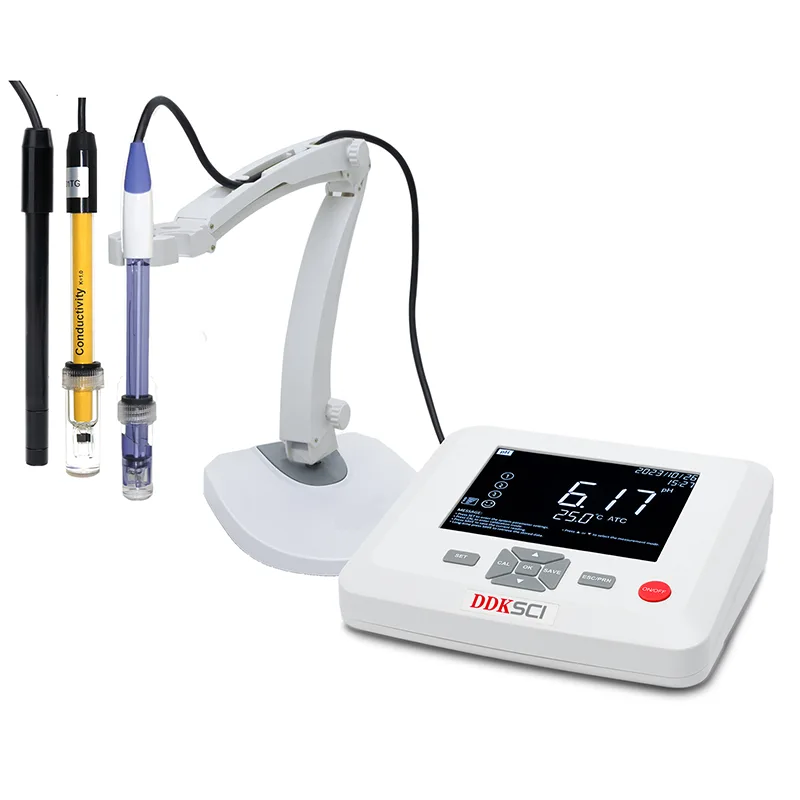
Answer: A Pocket Meter is designed for portability and field use. It is compact, battery-powered, and environmentally sealed to withstand harsh conditions. A benchtop meter is designed for laboratory use. It is larger, powered by mains electricity, and typically offers higher accuracy and more features. The choice depends on the application. For field measurements, a Pocket Meter is the practical choice. For laboratory analysis, a benchtop meter may be preferred.
Question 2: How often should a Pocket Meter be calibrated?
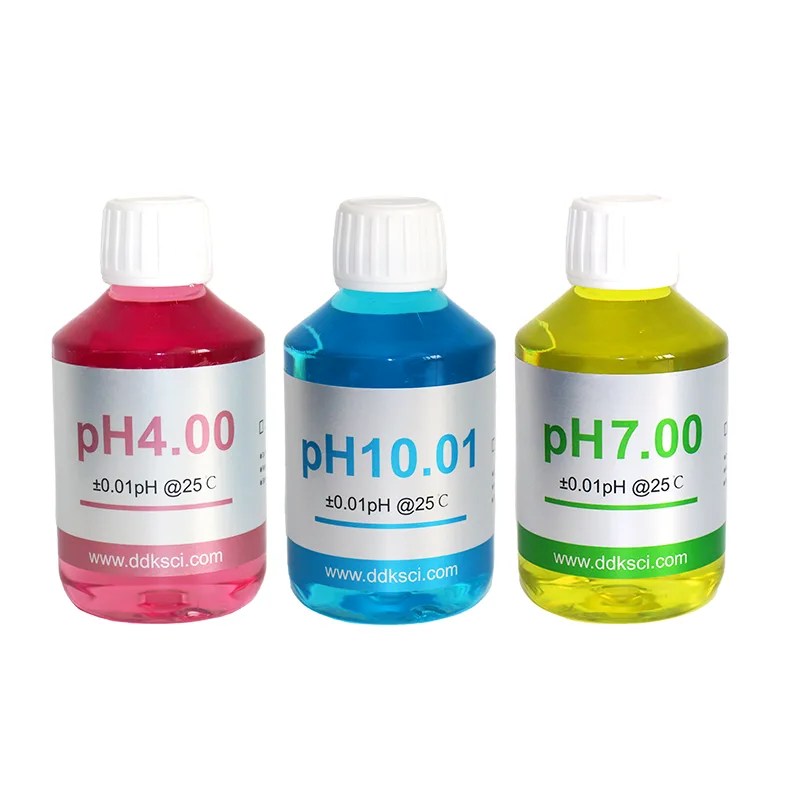
Answer: The calibration frequency depends on the application and the required accuracy. For critical measurements, we recommend calibrating the meter before each use. For less critical measurements, weekly or monthly calibration may be sufficient. The meter should always be calibrated after replacing the sensor or the battery. Our Pocket Meters feature automated calibration, which makes the process fast and simple.
Question 3: Can a Pocket Meter be used in seawater?
Answer: Yes, a Pocket Meter with the appropriate sensor can be used in seawater. For conductivity and TDS measurements, a meter with a high range (up to 2000 µS/cm or more) is required. For pH measurements, a meter with a robust glass electrode and a double-junction reference is recommended to resist contamination from seawater. Our Pocket Meters are available with seawater-compatible sensors.
Question 4: How do I care for my Pocket Meter to ensure long life?
Answer: To ensure long life, follow these simple steps: rinse the sensor with clean water after each use, store the meter in a dry place, replace the battery when the low-battery indicator appears, and calibrate the meter regularly. Avoid dropping the meter or exposing it to extreme temperatures. For pH meters, keep the sensor moist by storing it in a storage solution. Our factory provides a user manual with detailed care instructions for each meter.
Question 5: What is the warranty on your Pocket Meters?
Answer: Our Pocket Meters come with a one-year warranty against manufacturing defects. The warranty covers the meter body and the electronics. The sensor is a consumable item and is not covered by the warranty, although we do offer a separate warranty on sensors in some models. We also offer a repair and calibration service for our meters. Please contact our customer service team for more information.
Pocket Meters are essential tools for professionals who need to make accurate measurements in complex working conditions. Their suitability for these conditions is determined by a combination of environmental sealing, robust sensor technology, mechanical durability, and user-friendly design. At Shanghai DDK Scientific Instruments Co., Ltd., our factory has the expertise and the equipment to manufacture Pocket Meters that meet the most demanding requirements. We use high-quality materials, precision manufacturing processes, and rigorous testing to ensure that every meter we produce delivers reliable performance and long service life. Our meters are used by professionals in water treatment, aquaculture, agriculture, food and beverage, and environmental monitoring around the world.
Whether you are looking for a simple pH meter or a multi-parameter meter with advanced features, we have a Pocket Meter to suit your needs. We invite you to contact our technical team to discuss your requirements. We can provide detailed product specifications, application support, and product samples. Our commitment to quality and customer satisfaction has made us a trusted partner for professionals around the world.
Contact Shanghai DDK Scientific Instruments Co., Ltd. today to discuss your Pocket Meter requirements and discover how our meters can perform in your most complex working conditions.
-