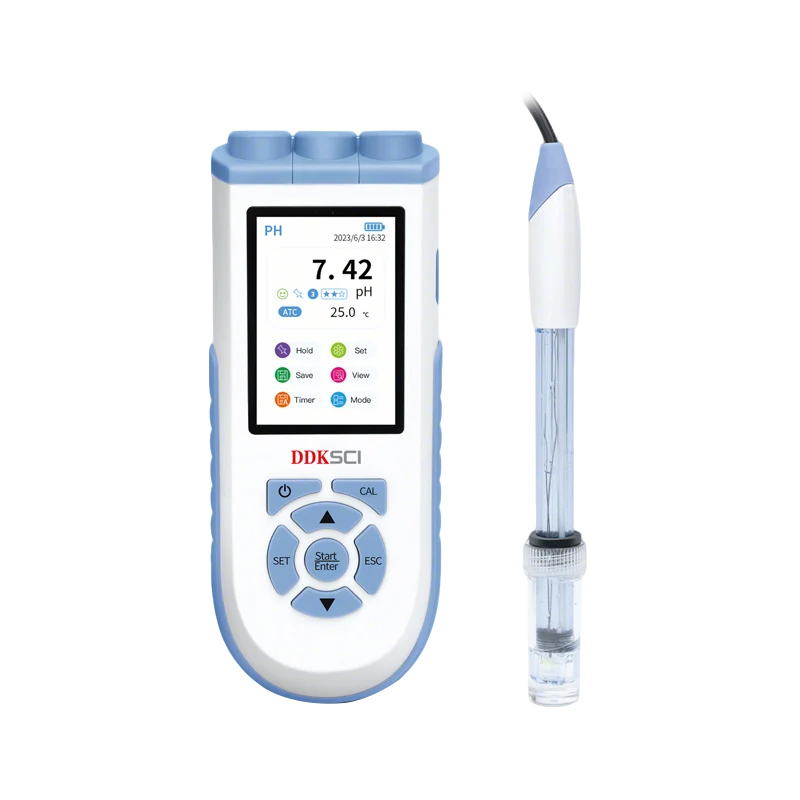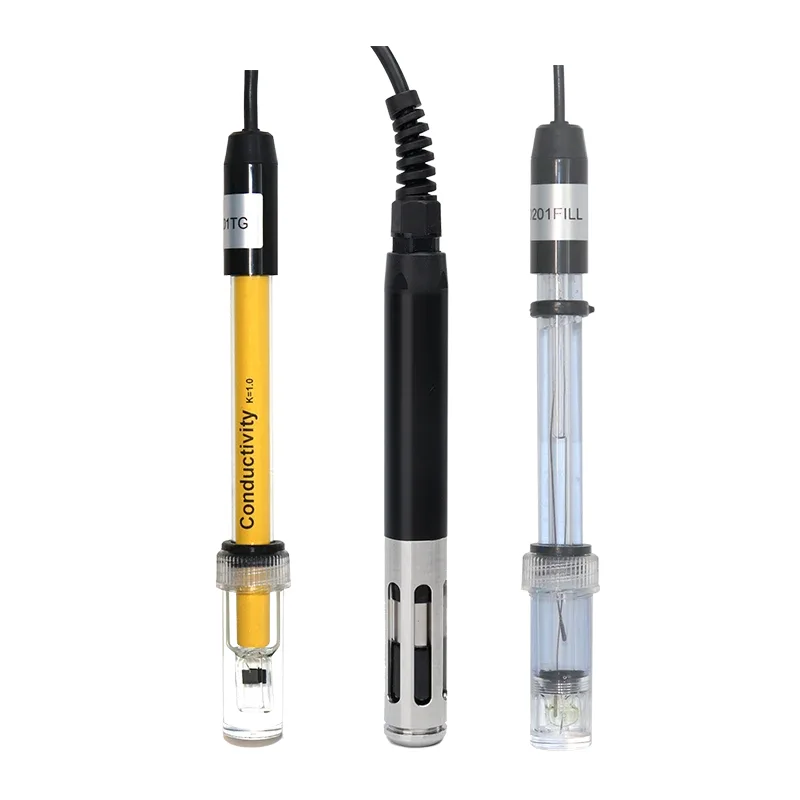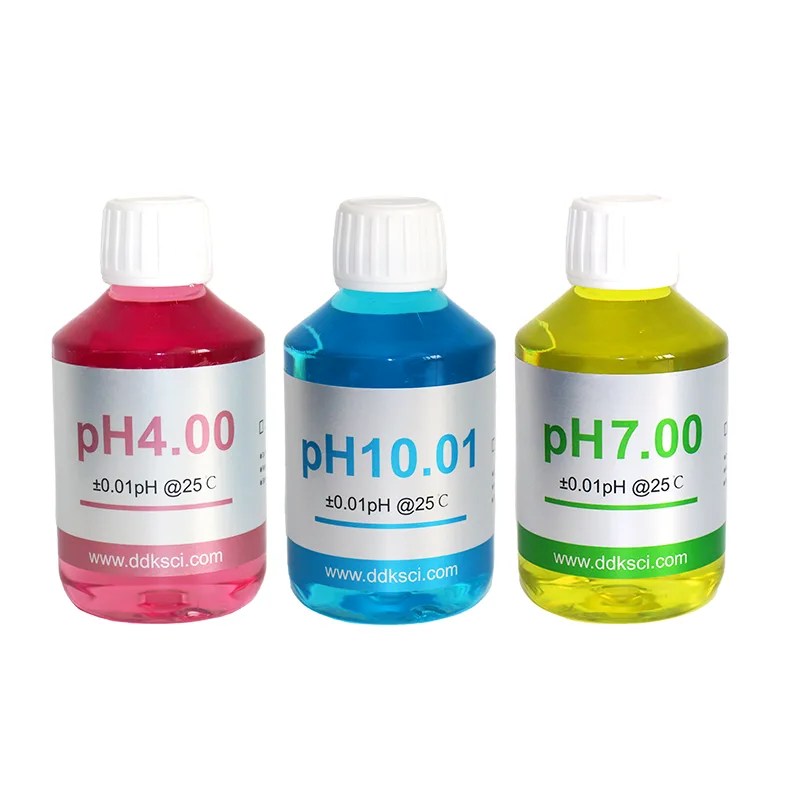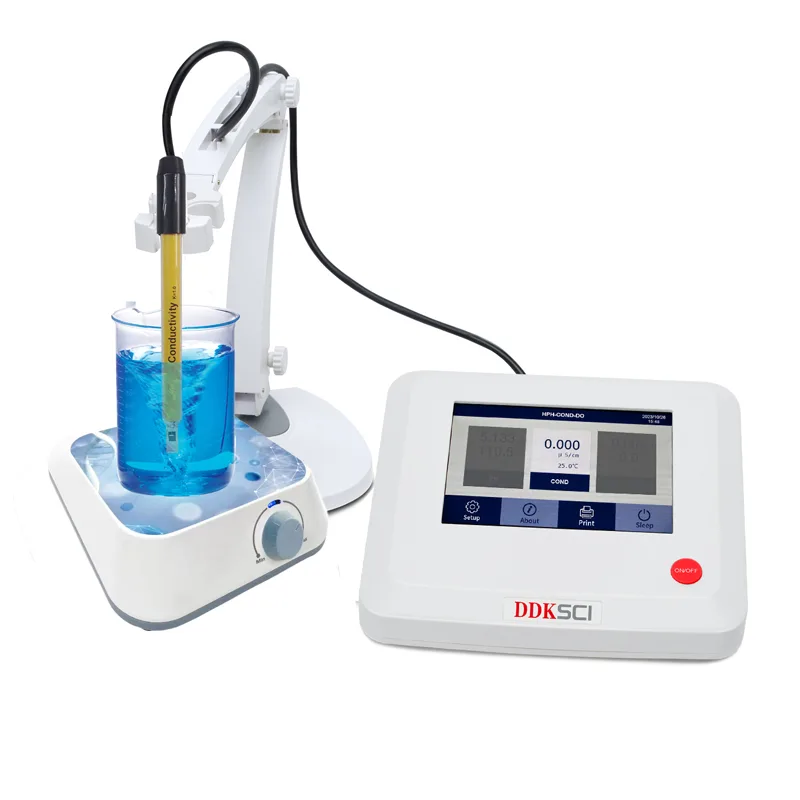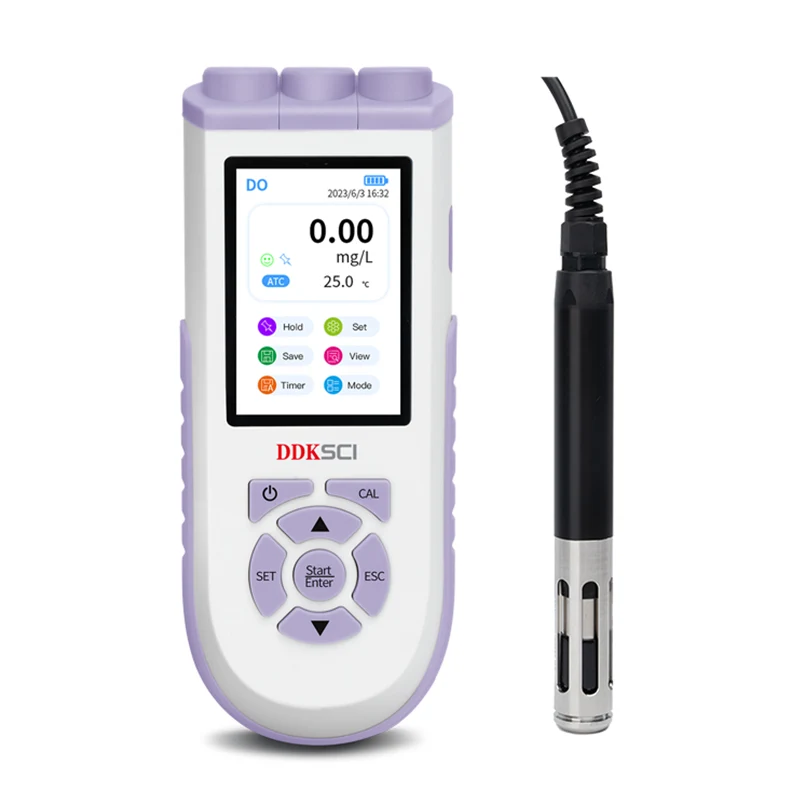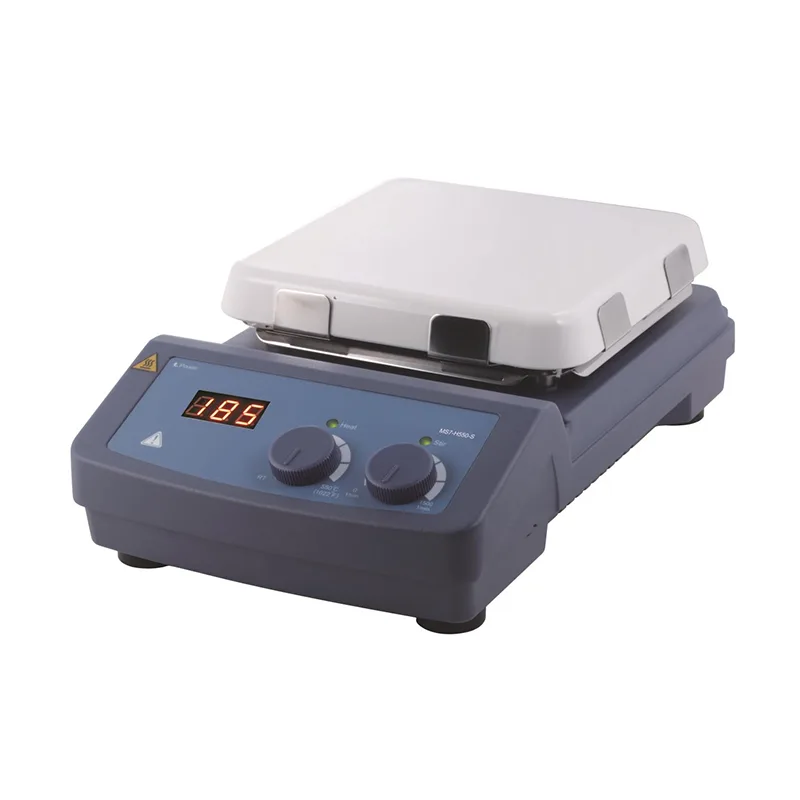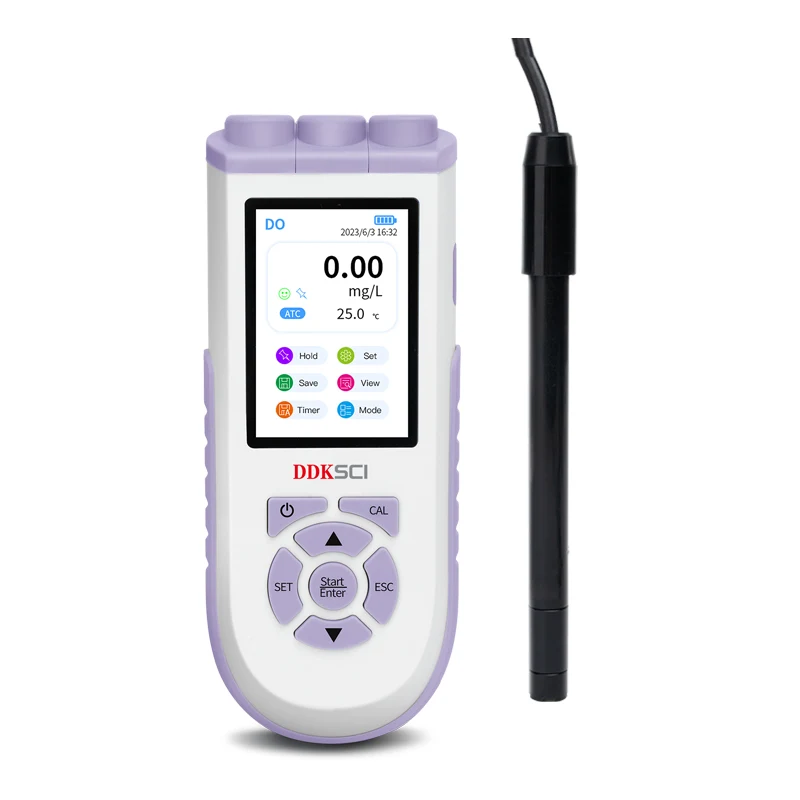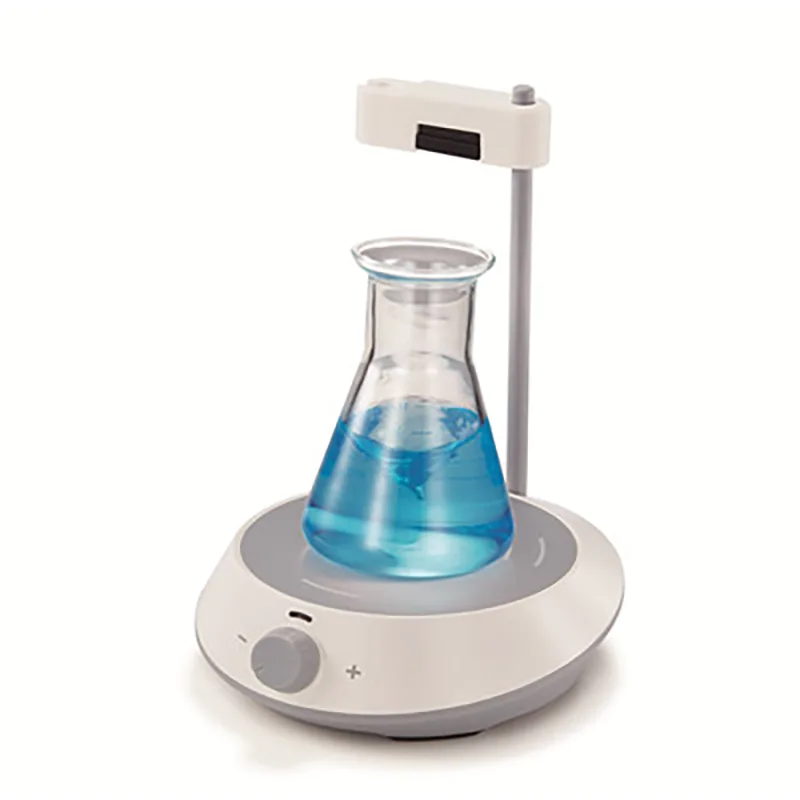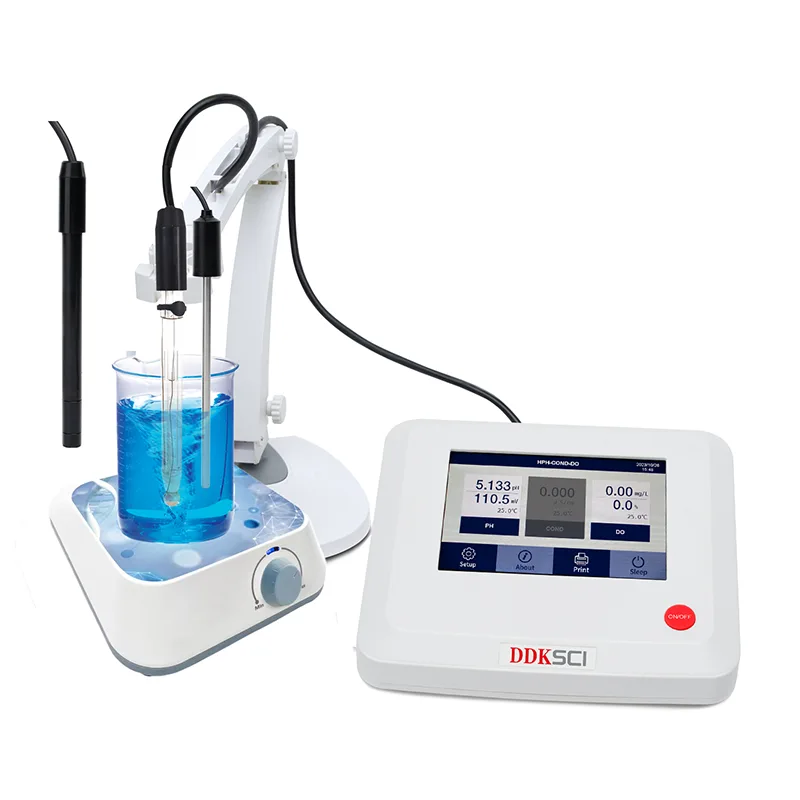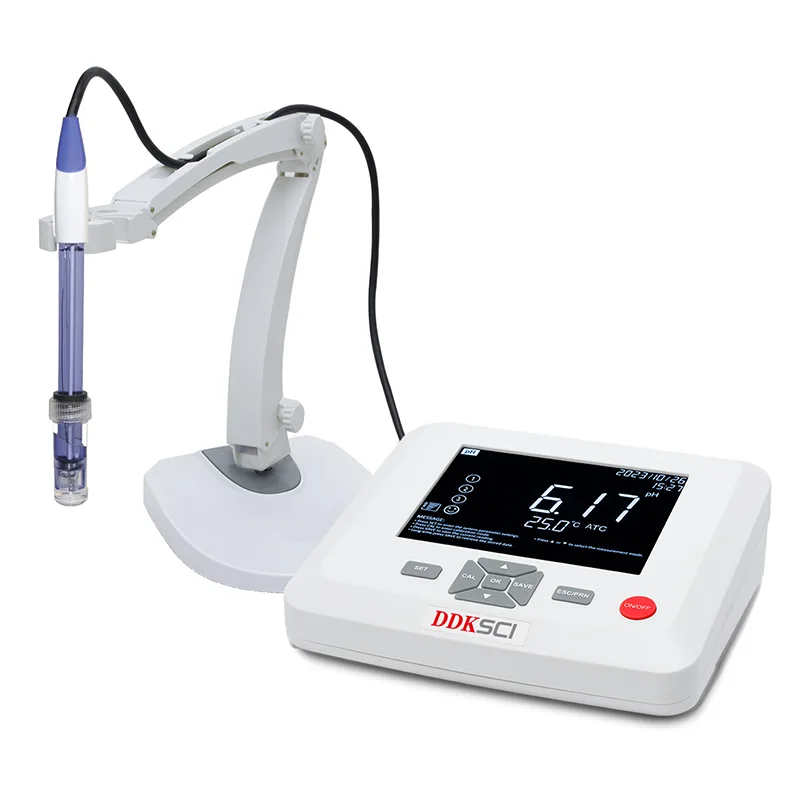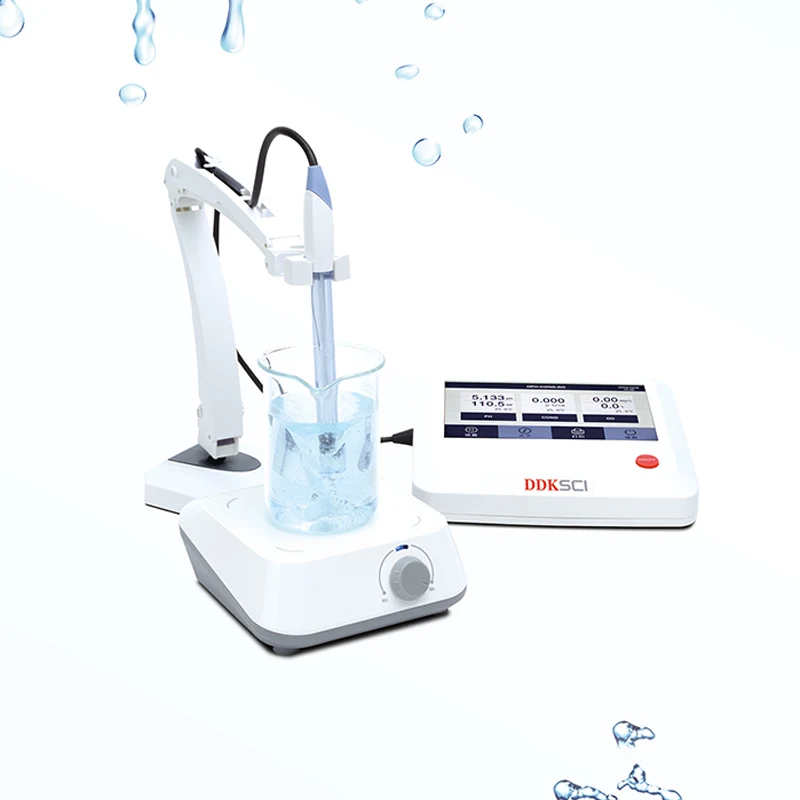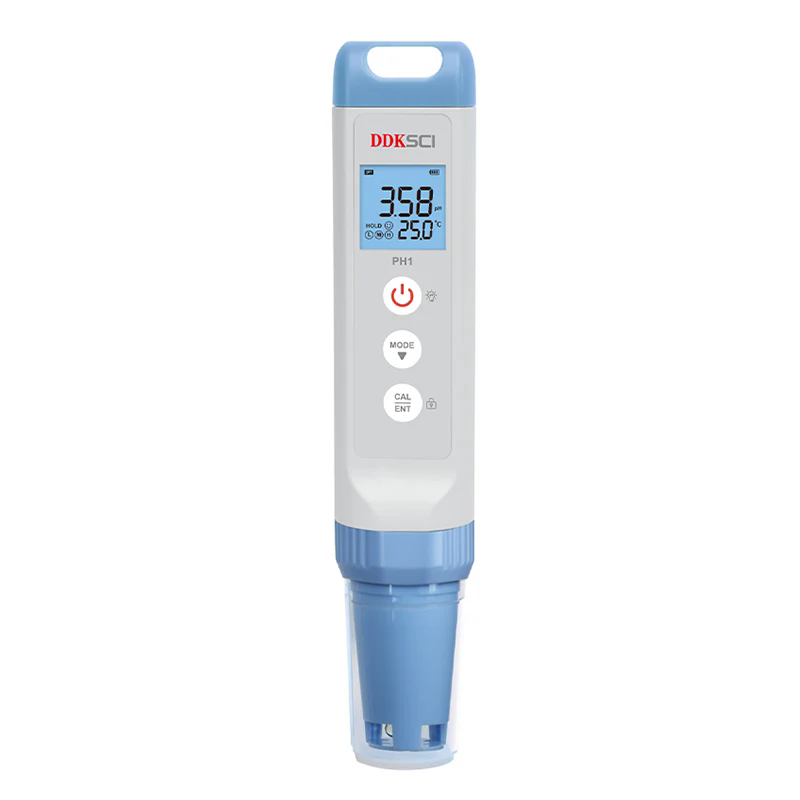
Water quality monitoring has become increasingly important across scientific research, industrial production, environmental management, and laboratory testing. Reliable analytical instruments help professionals understand chemical changes in water systems and support better decisions in various applications. Benchtop Meters have become an important solution for laboratories that require accurate electrochemical measurement with stable operation, convenient handling, and professional performance.
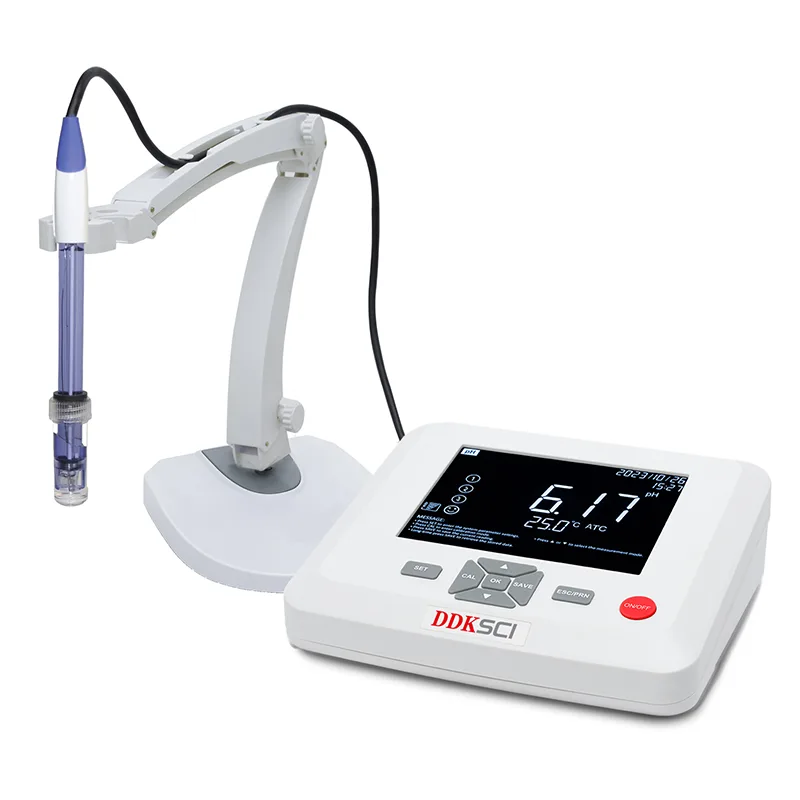
Water quality requirements continue to evolve as industries focus more on safety, efficiency, and environmental responsibility. Traditional testing approaches may not always provide the consistency and flexibility required by modern laboratories. Advanced analytical equipment enables researchers and technicians to obtain dependable information while improving workflow efficiency.
Electrochemical analysis technology plays an essential role in water monitoring because many important parameters can be evaluated through sensor-based measurement. These systems are widely used for understanding changes in acidity, oxidation conditions, conductivity levels, oxygen availability, and other characteristics that influence water quality.
Scientific institutions, environmental organizations, pharmaceutical facilities, food processing companies, chemical enterprises, and educational laboratories all require instruments that can adapt to different testing environments. A professional water analysis system should provide accurate measurement while remaining simple enough for daily laboratory operations.
The demand for flexible laboratory equipment has encouraged manufacturers to develop instruments with improved sensor compatibility, intuitive operation, and dependable construction. These improvements allow users to perform routine analysis with confidence and maintain consistent testing procedures.
Modern laboratories require equipment that combines precision with practical usability. Researchers often work with complex samples, changing testing conditions, and strict quality requirements. Instruments designed with advanced electronic technology and reliable sensor systems can help maintain measurement stability during different analytical processes.
Benchtop Meters are widely recognized for their role in professional laboratory environments because they provide a dedicated platform for accurate electrochemical testing. Compared with portable alternatives, laboratory-focused instruments are often designed for situations where detailed analysis, repeatable results, and convenient operation are important.
| Application Area | Measurement Requirement | Equipment Value |
|---|---|---|
| Environmental monitoring | Reliable evaluation of water conditions | Supports scientific assessment and management |
| Pharmaceutical research | Stable laboratory analysis | Helps maintain testing consistency |
| Food and chemical industries | Professional quality control processes | Improves laboratory efficiency |
| Education and research | Clear and practical operation | Supports experimental learning |
When selecting analytical equipment, laboratories usually consider measurement accuracy, sensor performance, operational convenience, maintenance requirements, and compatibility with existing workflows. A suitable instrument should not only deliver dependable results but also help users complete testing tasks more efficiently.
Another important consideration is product reliability. Laboratory environments often require continuous operation and stable performance. Instruments manufactured under strict quality management systems can provide better confidence for long-term use and professional applications.
Electrochemical technology has developed rapidly through improvements in sensor materials, electronic components, and measurement algorithms. These advancements allow analytical instruments to provide more reliable information for research and industrial processes.
Manufacturers are also focusing on user-friendly designs that simplify operation without reducing professional capability. Clear interfaces, practical functions, and adaptable sensor options help laboratories improve productivity while reducing operational complexity.
As environmental protection and industrial standards continue to receive greater attention, laboratory instruments must provide both technical performance and application flexibility. The combination of accurate sensors and intelligent measurement systems creates new opportunities for more efficient water quality management.
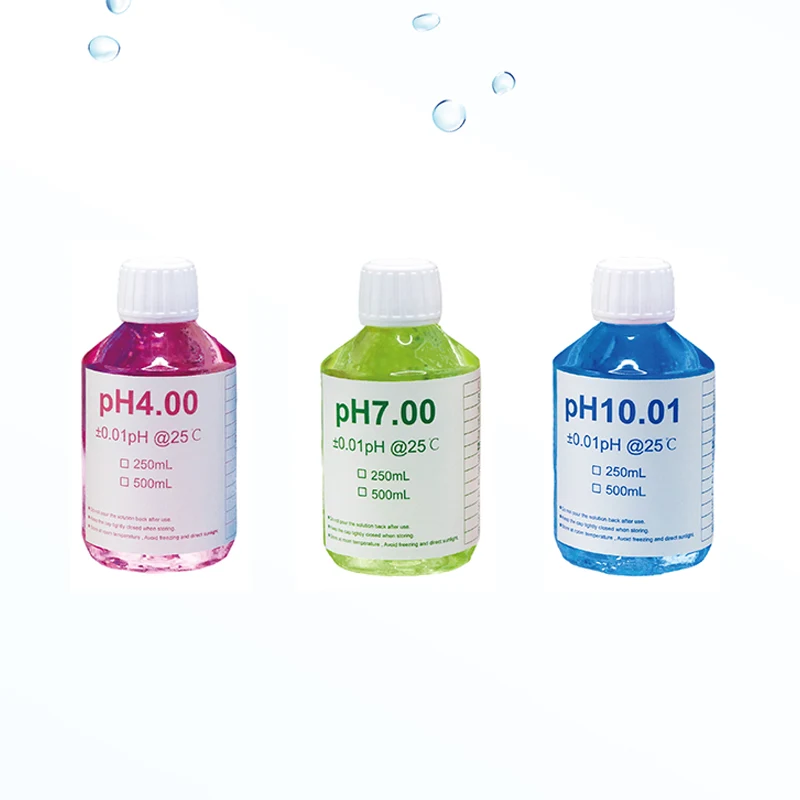
A dependable testing process depends on more than the instrument itself. Proper sensor selection, regular maintenance, suitable calibration procedures, and professional technical support all contribute to reliable analytical performance. Companies that provide complete solutions can help laboratories achieve better results throughout the product lifecycle.
Professional equipment suppliers are increasingly developing comprehensive product portfolios that cover different laboratory requirements. This approach allows users to choose suitable solutions for research, production, inspection, and educational purposes while maintaining consistent quality standards.
The future of water quality analysis will continue to focus on precision, efficiency, and intelligent operation. Laboratories are looking for solutions that reduce complexity and improve the overall testing experience. Digital technology, advanced sensors, and optimized instrument structures will continue shaping the development of analytical equipment.
Benchtop Meters will remain an important part of professional water analysis because laboratories need stable measurement platforms for research and quality management. Their role will continue expanding as more industries recognize the importance of accurate water monitoring.
Sustainable development is also influencing instrument innovation. Manufacturers are paying greater attention to resource efficiency, product durability, and environmentally responsible production methods. These trends encourage the creation of analytical tools that support both industrial progress and environmental protection.
Efficient laboratories require equipment that works smoothly with existing procedures. Instruments with reliable performance, convenient operation, and strong technical support can help researchers focus more on analysis rather than equipment management.
The integration of advanced measurement technology with professional manufacturing expertise creates a foundation for future laboratory development. As industries continue to demand higher standards, reliable analytical solutions will become increasingly valuable.
Shanghai DDK Scientific Instruments Co., Ltd focuses on the research, development, and manufacturing of electrochemical water quality analysis sensors and instruments. The company provides professional solutions covering pH, ORP, conductivity, dissolved oxygen, ion, and turbidity measurement technologies for a wide range of industries.
With a commitment to professional quality, reliable performance, and user-friendly design, Shanghai DDK Scientific Instruments serves applications including environmental protection, biology, pharmaceuticals, education, scientific research, food, chemical industries, nuclear power, plantation, and third-party institutions.
The company’s factory follows a clear development strategy centered on electrochemical water quality analysis technology. By maintaining a comprehensive quality management system and focusing on manufacturing excellence, Shanghai DDK Scientific Instruments continues to strengthen its capabilities as a trusted scientific instrument manufacturer.
Through continuous innovation and dedication to product quality, Shanghai DDK Scientific Instruments provides dependable analytical solutions that support laboratories worldwide. The company remains committed to advancing water quality measurement technology and helping customers achieve more efficient, accurate, and professional testing processes.