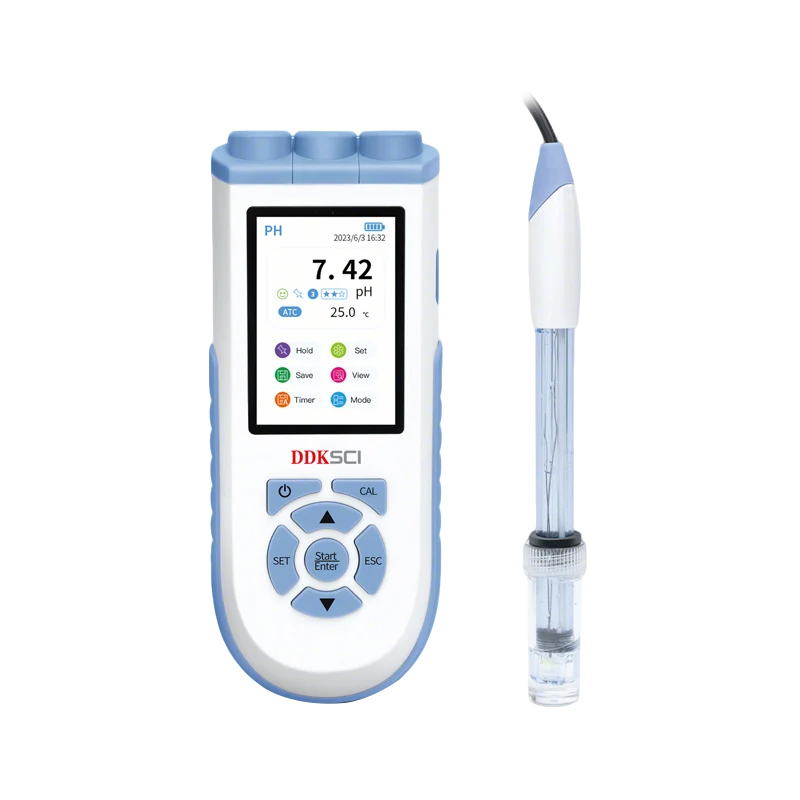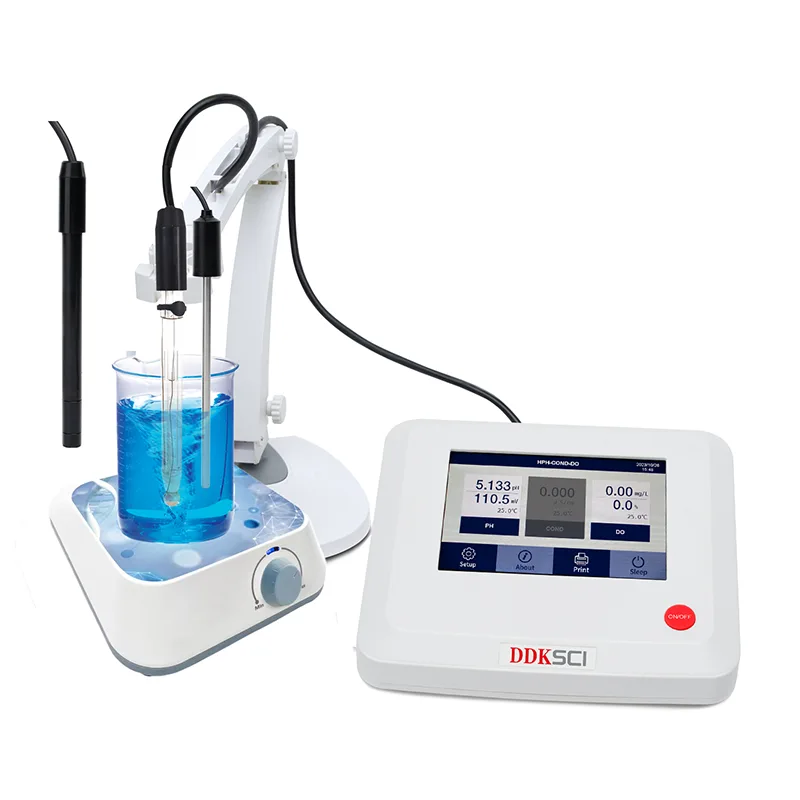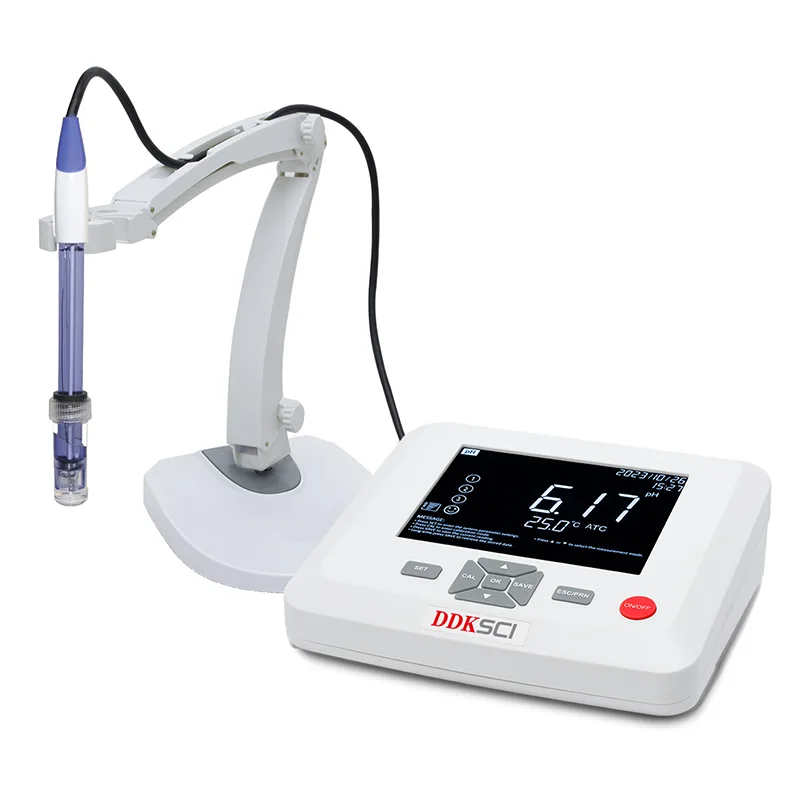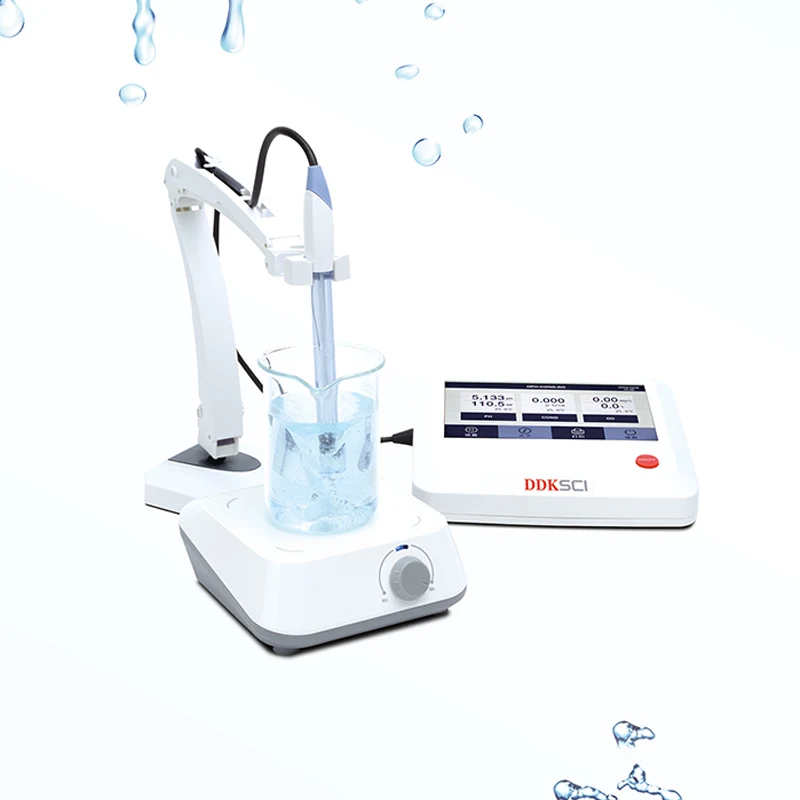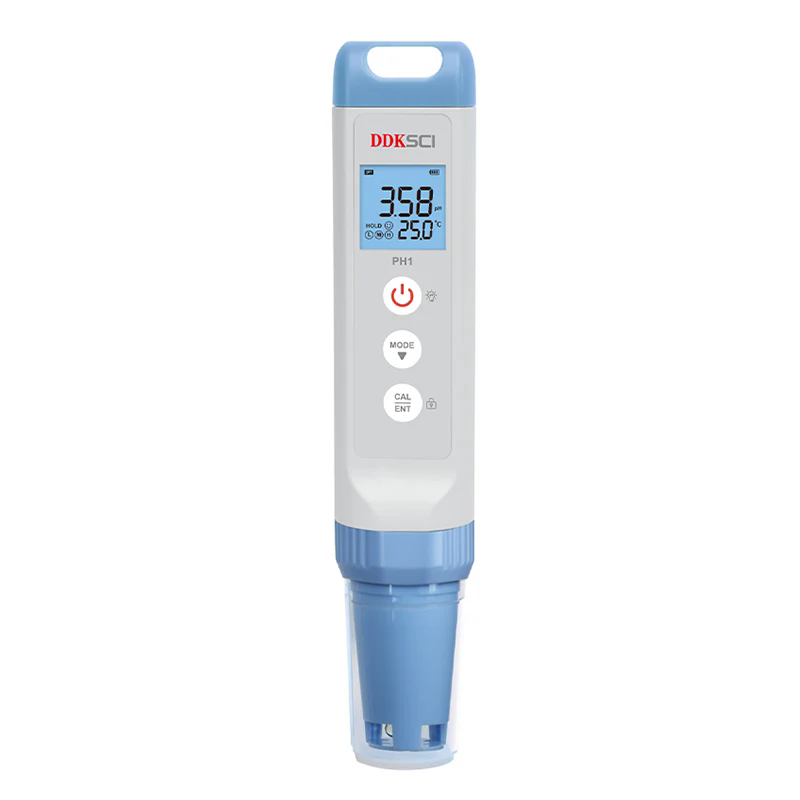
Portable pH meters have revolutionized the way scientists, researchers, and quality control professionals measure acidity and alkalinity in various solutions. Unlike traditional bench-top meters, portable models offer convenience, speed, and precision in both laboratory and field conditions. This article explores how portable pH meters work, their advantages, applications, selection tips, maintenance guidelines, and frequently asked questions to help users make informed decisions and optimize their workflow.
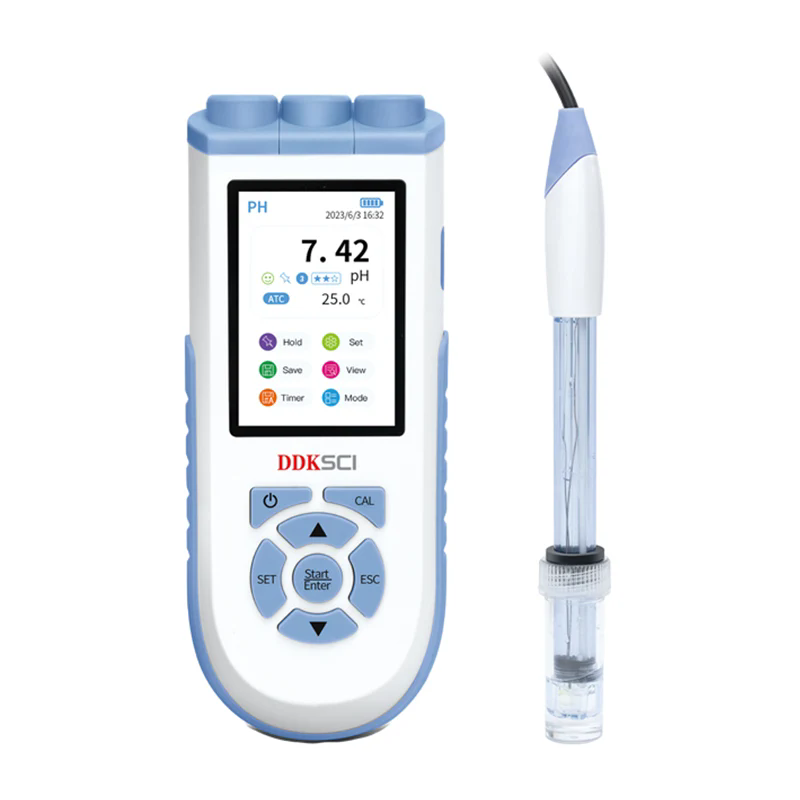
Portable pH meters operate on the principle of measuring the hydrogen ion activity in a solution, converting it into an electrical signal displayed as pH values. The main components include a pH-sensitive electrode, a reference electrode, and a microprocessor that calculates the pH based on voltage differences.
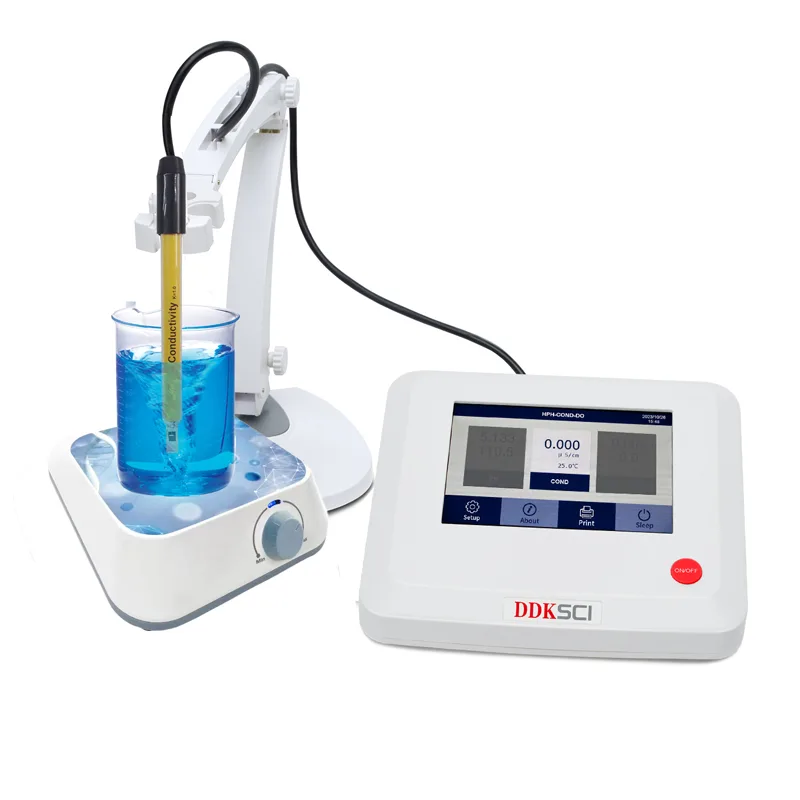
Unlike laboratory meters, portable pH meters are designed for mobility without compromising accuracy. They are typically battery-operated, lightweight, and come with protective casing to withstand outdoor or industrial environments.
| Component | Function |
|---|---|
| pH Electrode | Measures hydrogen ion concentration in the solution |
| Reference Electrode | Provides a stable voltage for accurate pH measurement |
| Microprocessor | Calculates pH value and displays it digitally |
Portable pH meters are widely adopted across multiple sectors due to their convenience and accuracy:
When selecting a portable pH meter, consider the following factors:
| Factor | Importance |
|---|---|
| Accuracy | Ensure the meter provides reliable readings within ±0.01–0.1 pH units depending on your application. |
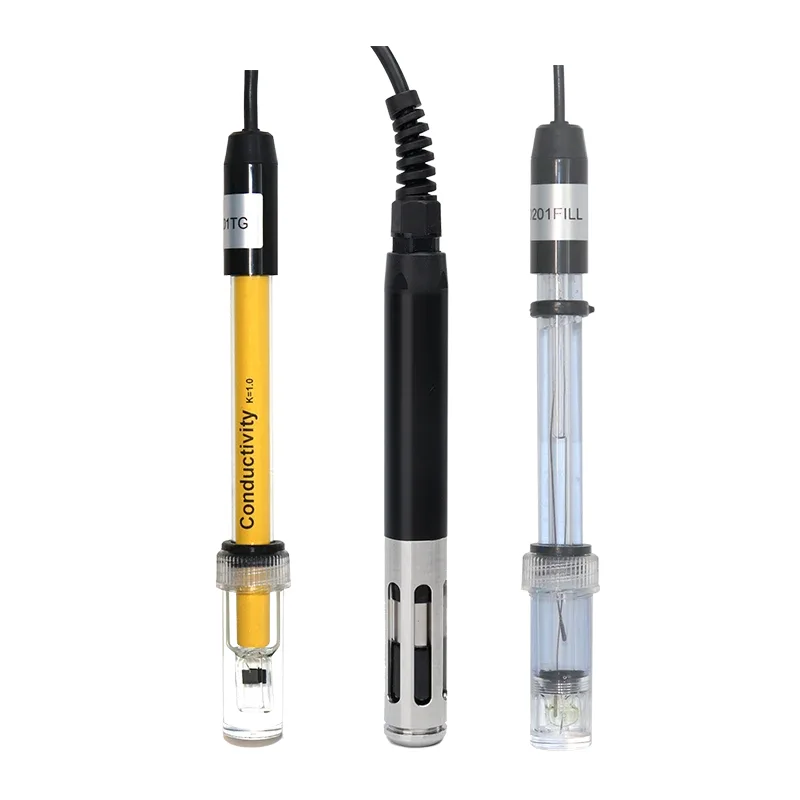
| Probe Type | Select electrodes suitable for the sample medium (liquid, soil, semi-solid). |
| Display and Interface | Look for clear digital displays and intuitive operation for field use. |
| Durability | Consider water-resistance, drop protection, and temperature tolerance for outdoor testing. |
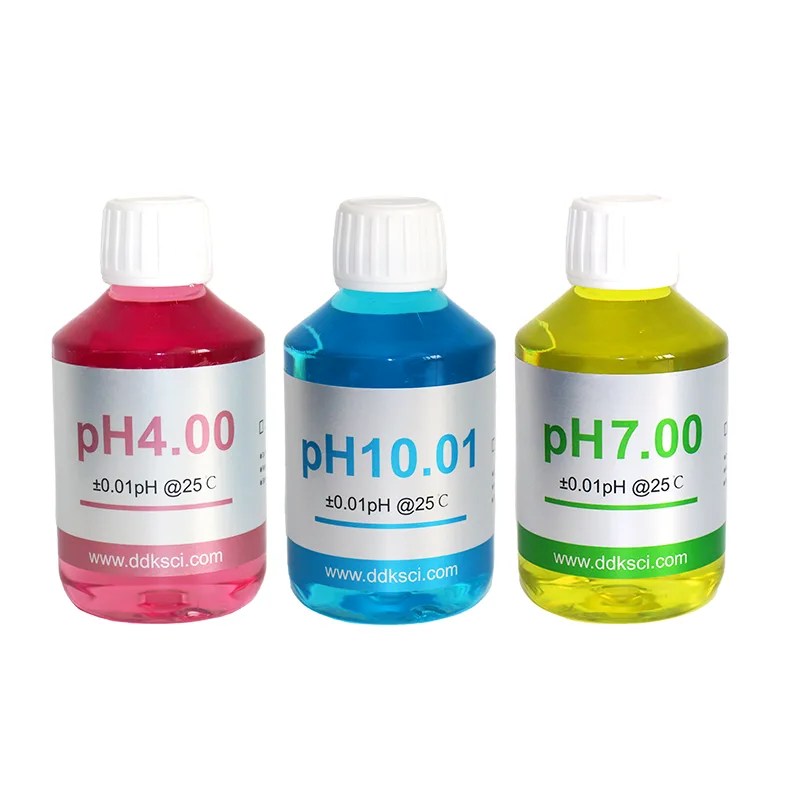
| Calibration | Choose meters with easy multi-point calibration and automatic temperature compensation. |
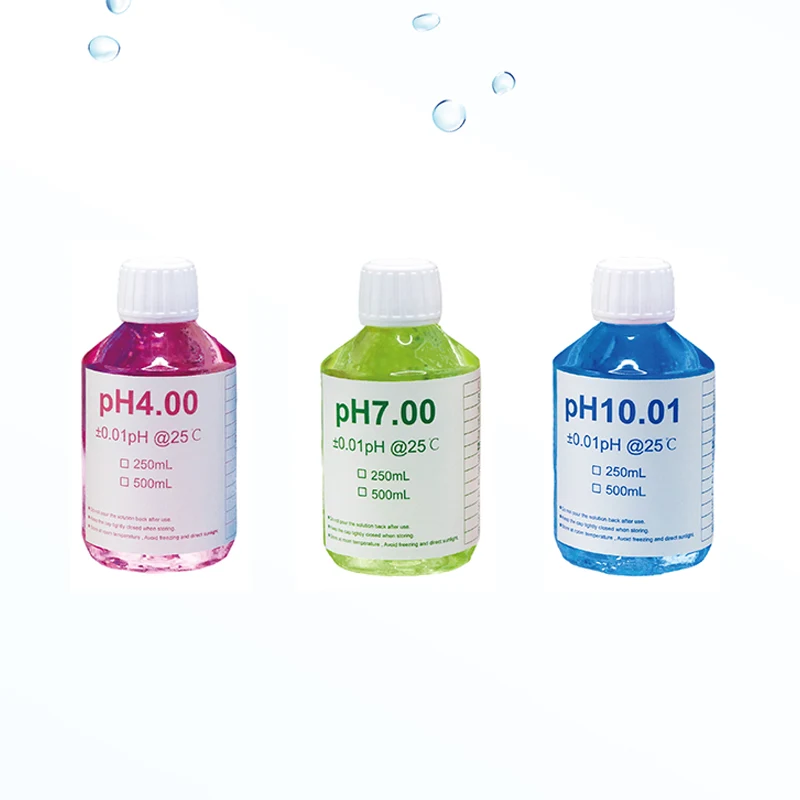
To maintain optimal performance, portable pH meters require proper care and periodic calibration:
Q1: Can portable pH meters measure temperature automatically?
Yes, many models feature automatic temperature compensation to adjust pH readings based on sample temperature.
Q2: How long do portable pH meters last?
With proper care, high-quality portable pH meters can last 3–5 years, while electrodes may require replacement every 1–2 years.
Q3: Are portable pH meters suitable for soil testing?
Yes, with the appropriate soil probe, portable pH meters can provide accurate soil acidity measurements for agriculture and environmental analysis.
Q4: How often should I calibrate my portable pH meter?
Calibration is recommended before each critical measurement or at least once a week for routine testing to maintain accuracy.
Portable pH meters are indispensable tools for professionals needing fast, accurate, and reliable pH measurements in both laboratory and field settings. By understanding how they work, their advantages, applications, and maintenance requirements, users can maximize efficiency and ensure consistent results. For those seeking high-quality portable pH meters, Shanghai DDK Scientific Instruments Co., Ltd. offers reliable products tailored to various industries. Contact us today to learn more or request a quote.