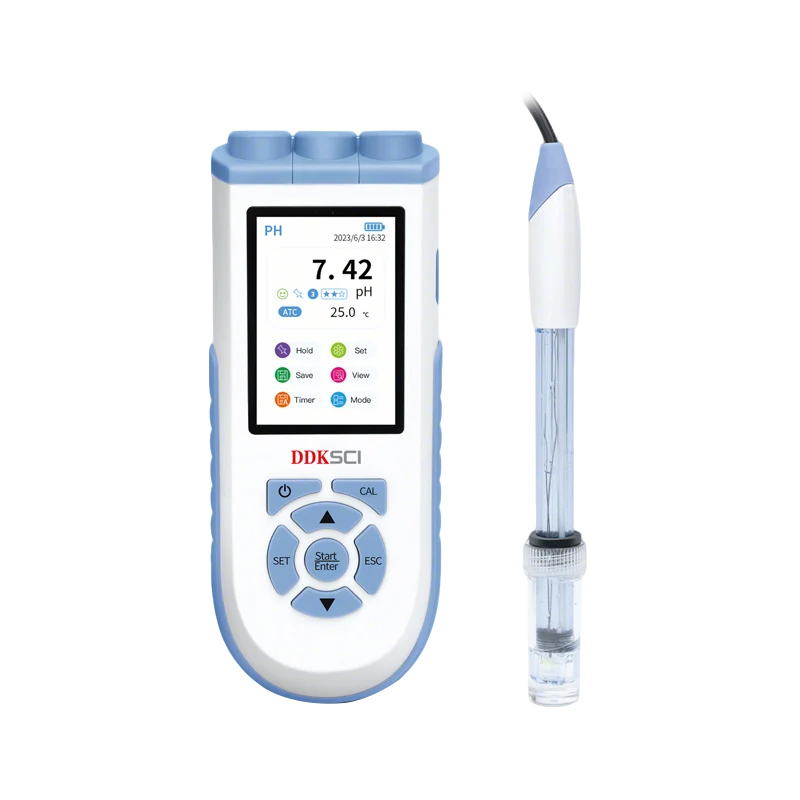
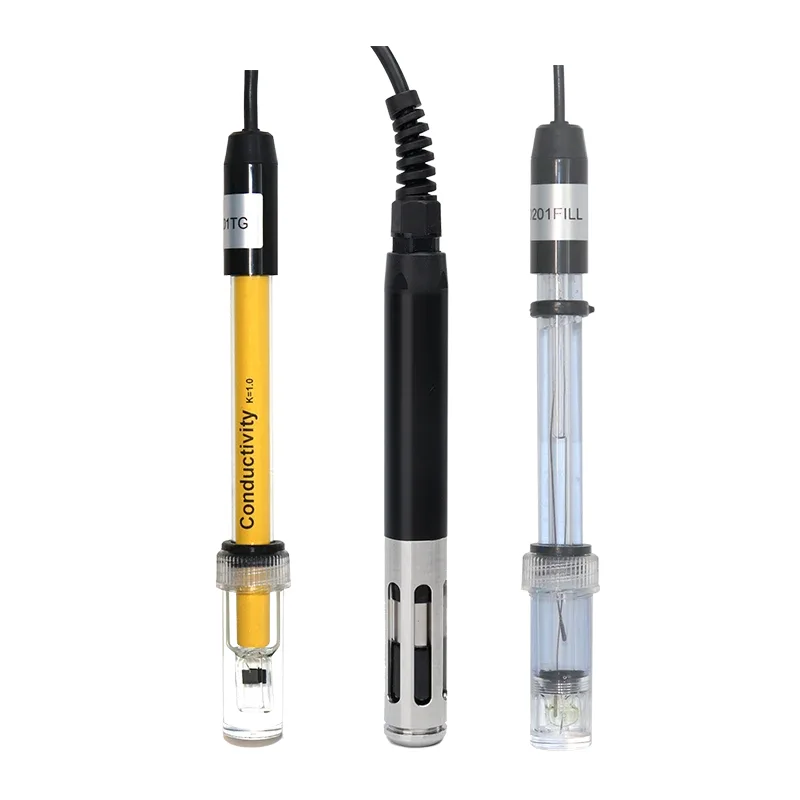
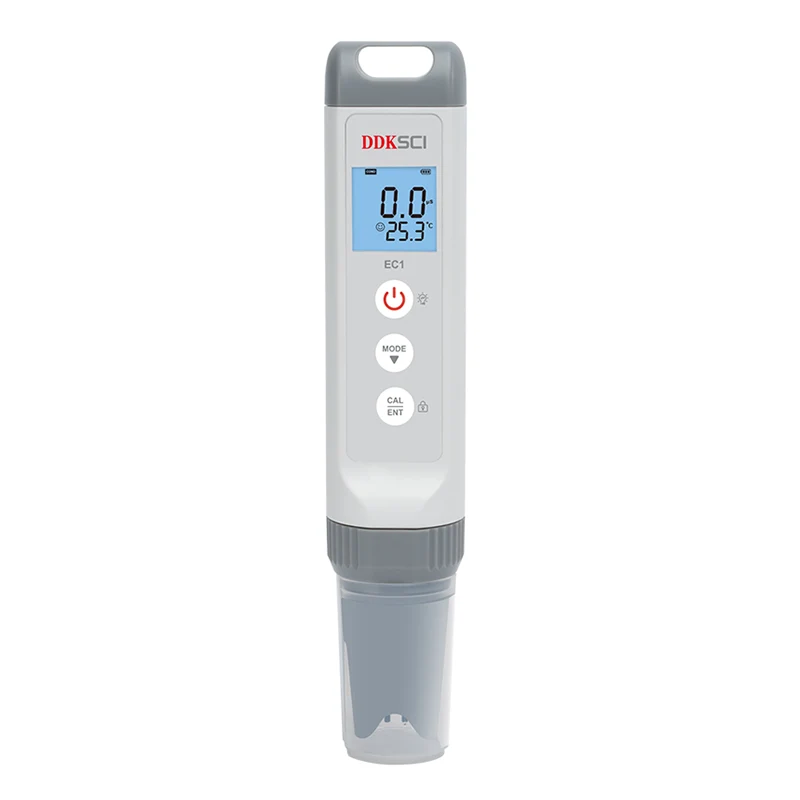
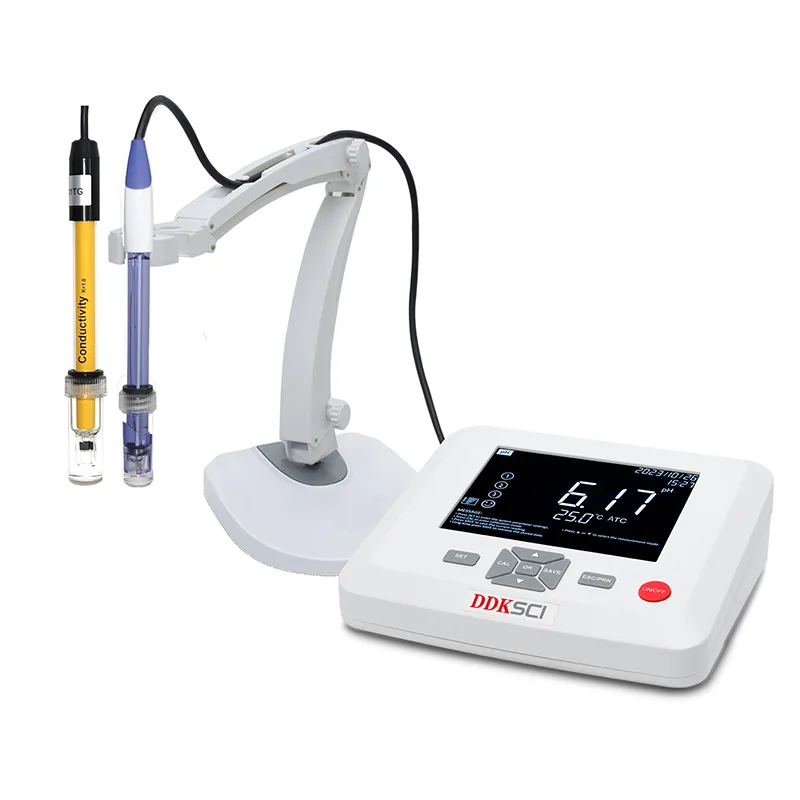
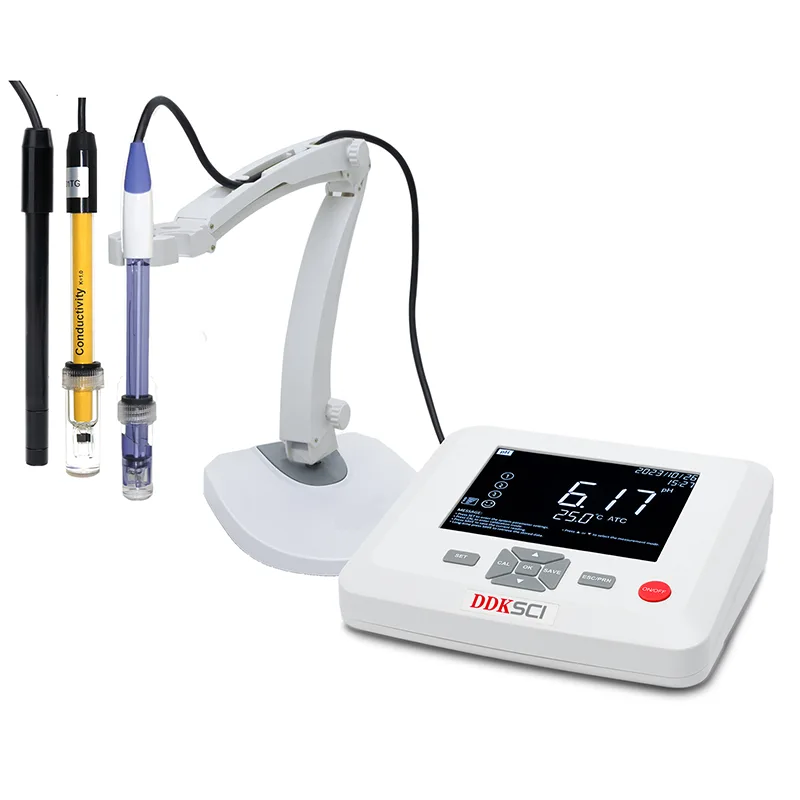
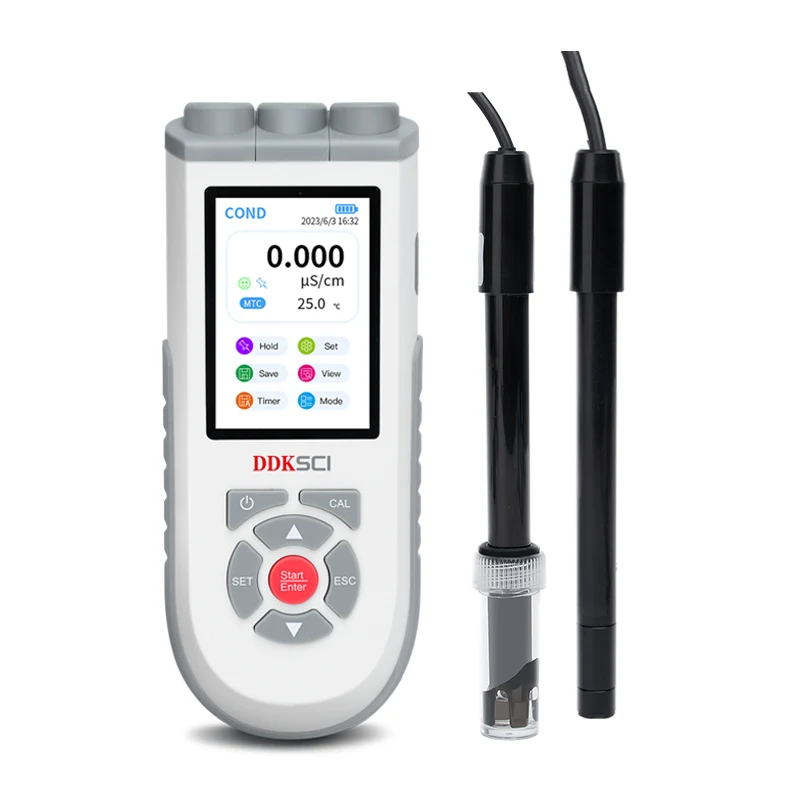
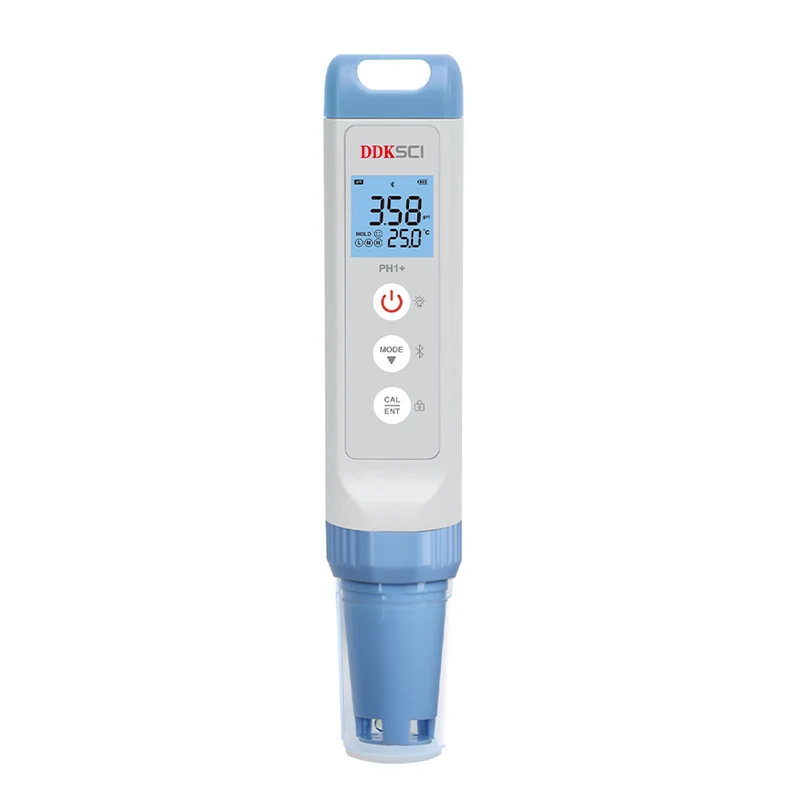
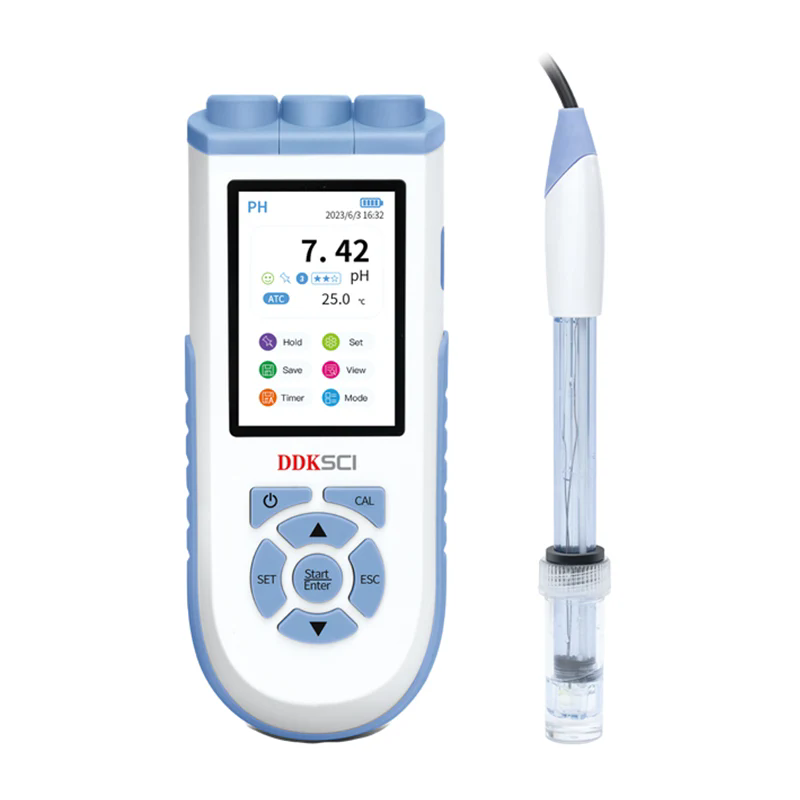
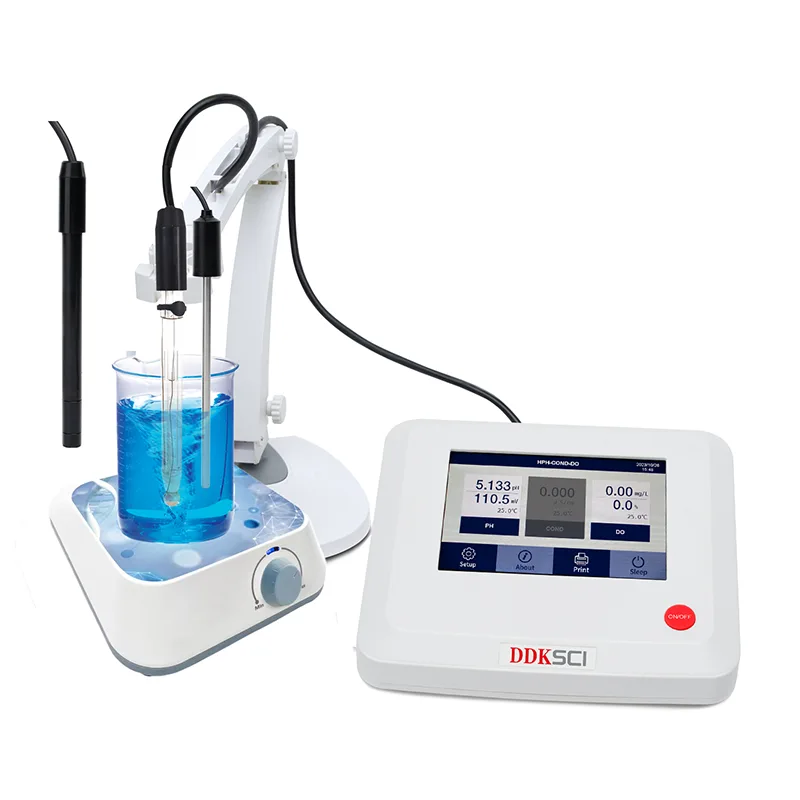
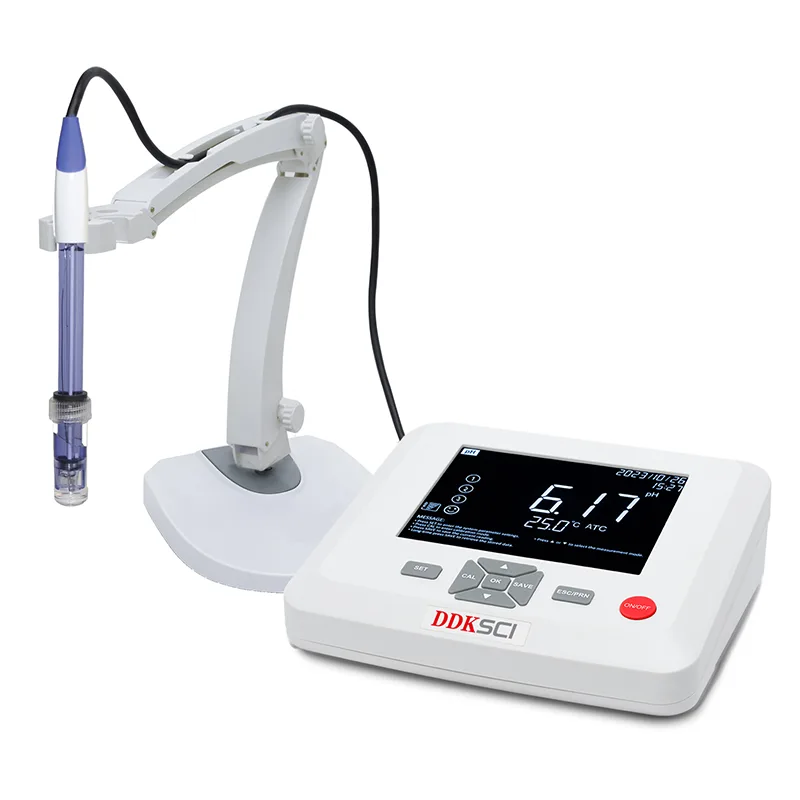
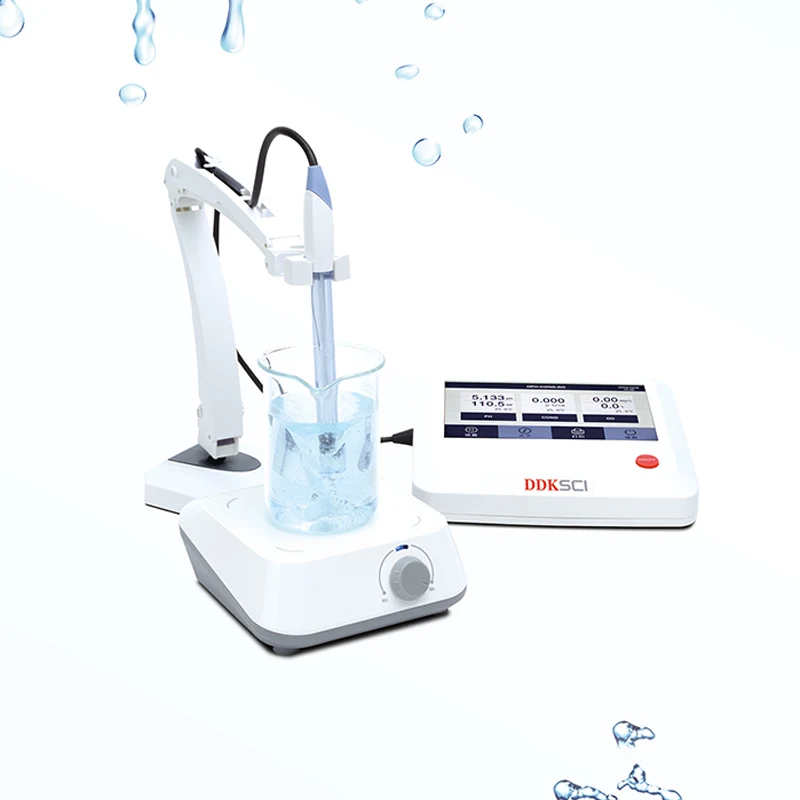
The measurement system 2 is composed of a pH electrode and a reference electrode. The pH electrode contains an ion-selective membrane that can selectively respond to hydrogen ions (H⁺) in the solution. Reference electrodes (such as silver-silver chloride electrodes) provide a stable potential reference.
Electrochemical reaction mechanism
Ion exchange: The ion-selective membrane of the pH electrode reacts with H⁺ in the solution, forming a membrane potential difference.
Potential difference generation: The ion concentration difference on both sides of the membrane leads to the generation of an electrochemical voltage, which is conducted to the amplifier through internal electrodes
Signal conversion and measurement
After being processed by the amplifier, the potential difference forms a voltage difference with the potential difference of the reference electrode, which is converted into a standard current (such as 4~20mA) or digital signal through the transmitter.
According to the Nernst equation, the voltage difference is exponentially related to the concentration of H⁺, thereby calculating the pH value of the solution.
Calibration and Accuracy
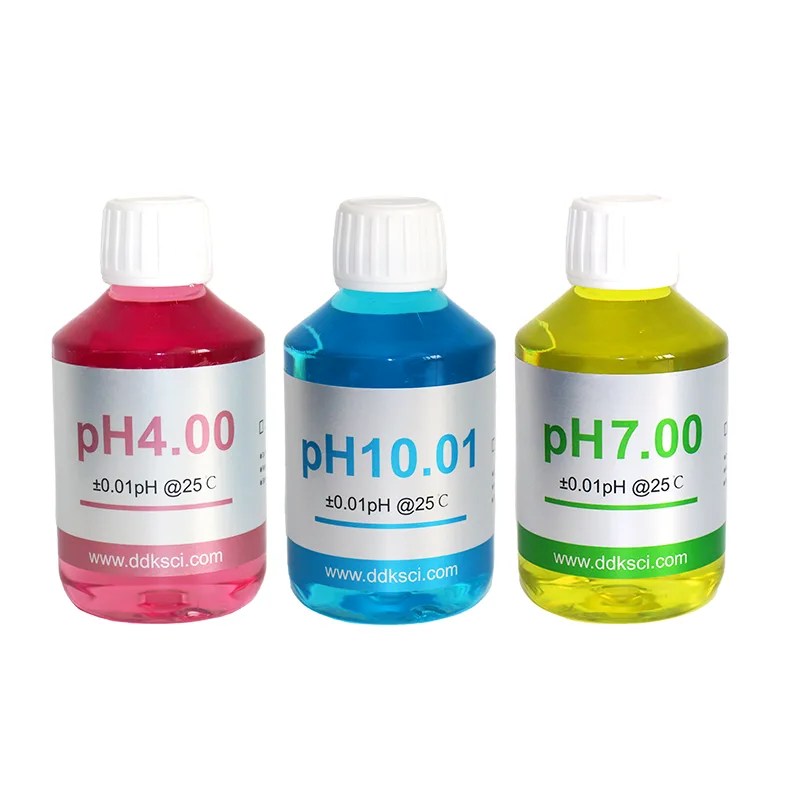
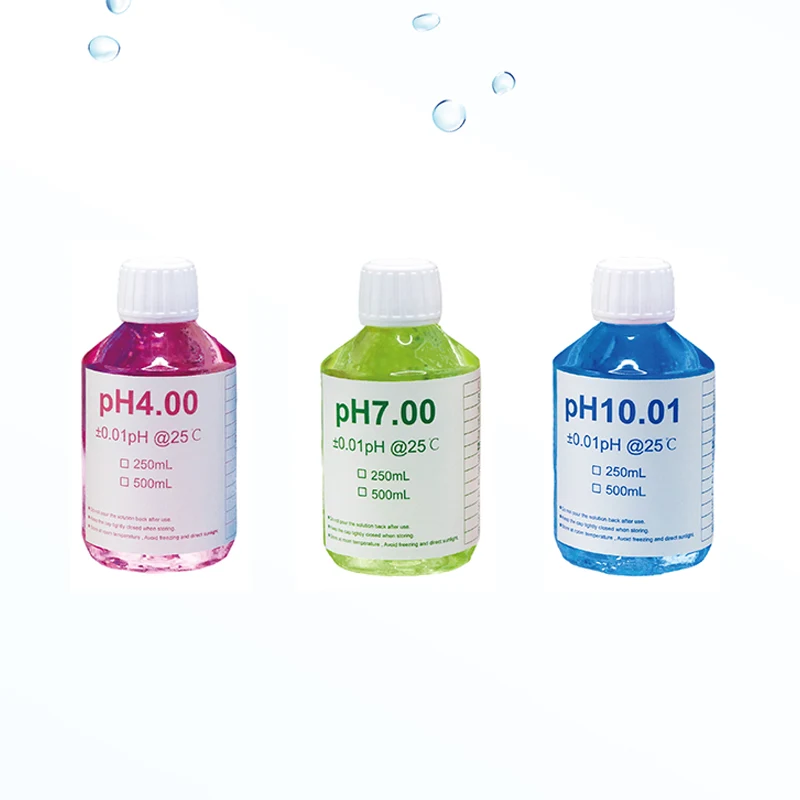
Calibration is carried out through standard buffer solutions to ensure measurement accuracy. The electrodes need to be cleaned and maintained regularly to maintain their response sensitivity.
We use cookies to offer you a better browsing experience, analyze site traffic and personalize content. By using this site, you agree to our use of cookies. Privacy Policy